You’ve decided to prioritize healthier eating for your family and head to the grocery store with the best intentions. As you walk the aisles, however, you're bombarded with packages shouting health claims like "All-Natural," "Sugar-Free," and "Fat-Free." While these labels seem promising, they are often more about marketing than actual nutrition. This is where mindful shopping comes in. It helps you see past the hype and make truly healthy choices.
Food packaging is designed to sell and manufacturers know exactly which words make us feel good about our purchases. These "health halos" can trick even the most well-intentioned shopper into buying highly processed foods loaded with hidden sugars and additives. The key to truly healthy eating is learning to see past these traps and focus on what really matters: real food with clean ingredients.
This guide will empower your mindful shopping journey. We'll reveal common marketing buzzwords, giving you the tools to choose foods based on substance not slogans. It's time to shop with clarity and fill your cart with confidence.
Table of Contents
The "Natural" illusion
The word "natural" is one of the most powerful and misleading terms in the food industry. When we see it, we often picture sun-drenched fields and farm-fresh ingredients. The reality is far less romantic. The term is poorly regulated, meaning companies can use it on products that are anything but. A product labeled "all-natural" can legally contain synthetic ingredients, preservatives, and high-fructose corn syrup.
For example, some brands of chicken are labeled "natural" but are injected with a saline solution to add weight and flavor. Many "natural" granola bars are packed with more sugar than a candy bar. The label doesn't guarantee the food is unprocessed or healthy.
How to see through it: Ignore the "natural" claim on the front and turn the package over. Read the ingredient list. Do you recognize the ingredients as whole foods? If the list is long and contains things like corn syrup solids, maltodextrin, or chemical-sounding names, it’s not as "natural" as the marketing suggests. Real food doesn't need to announce that it's natural—an apple is just an apple.
The "Sugar-Free" and "No Sugar Added" traps
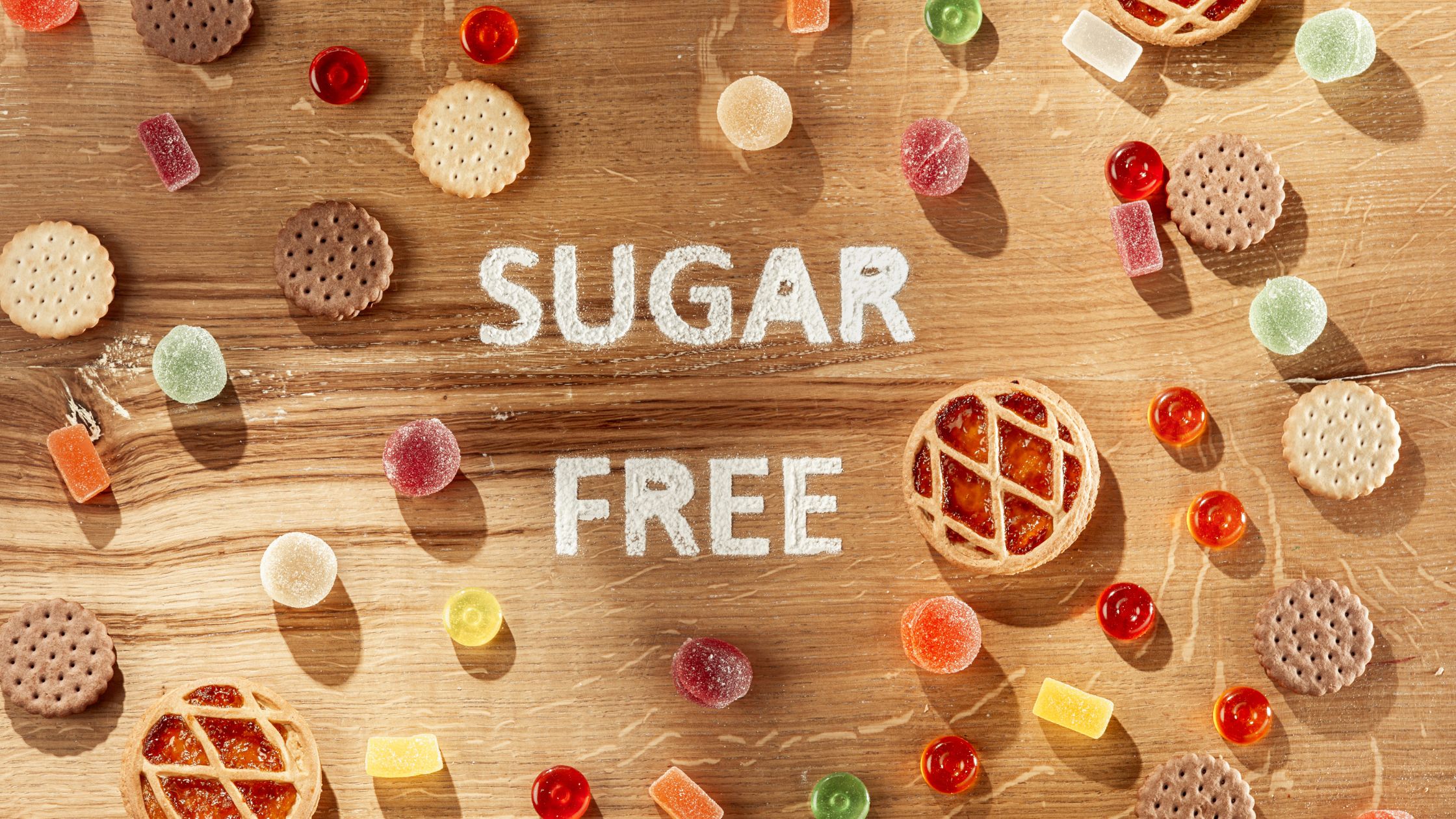
With growing awareness around the dangers of excess sugar, many people reach for products labeled "sugar-free" or "no sugar added." While these can sometimes be better options, they often hide their own secrets. "Sugar-free" products frequently rely on artificial sweeteners like aspartame, sucralose, or acesulfame potassium. While they don't contain calories, some studies have linked these sweeteners to negative effects on gut health and even increased cravings for sweet foods.
The "no sugar added" claim is also tricky. This simply means the manufacturer didn't add table sugar or syrup during processing. However, the product could be sweetened with concentrated fruit juices, which are nutritionally similar to sugar, or sugar alcohols like xylitol and erythritol. While better than sugar, sugar alcohols can cause digestive distress for some people, especially children.
How to see through it: Check the ingredient list for artificial sweeteners or sugar alcohols. Look at the "Nutrition Facts" panel to see the total grams of sugar. A "no sugar added" fruit smoothie can still contain a very high amount of sugar from fruit concentrates. When you want something sweet, it's often better to use a small amount of a real, unprocessed sweetener like maple syrup or honey, where you control the amount.
The myth of "Light" and "Fat-Free"
During the low-fat dieting craze, terms like "light" and "fat-free" became all the rage. Many still think fat is bad, but that's a misconception. Healthy fats are essential for brain function, hormone production, and nutrient absorption. Plus, when fat is removed from products, manufacturers often replace it with sugar, salt, or chemical additives to keep the flavor. Practicing mindful shopping means looking beyond the labels and understanding what’s really in your food.
A "light" salad dressing might have less fat, but it could have twice the sugar of its full-fat counterpart. "Fat-free" yogurt is often loaded with added sugars or artificial sweeteners to make up for the lack of creamy texture. You might think you're making a healthier choice, but you could be trading healthy fats for empty calories and chemicals.
How to see through it: Compare the nutrition labels of the "fat-free" or "light" version with the original. Pay close attention to the sugar and sodium content. More often than not, you're better off choosing the full-fat version made with simple, clean ingredients and enjoying it in moderation. Real-food fats, like those in avocados, nuts, and olive oil, are your friends.
Shifting your focus to real food
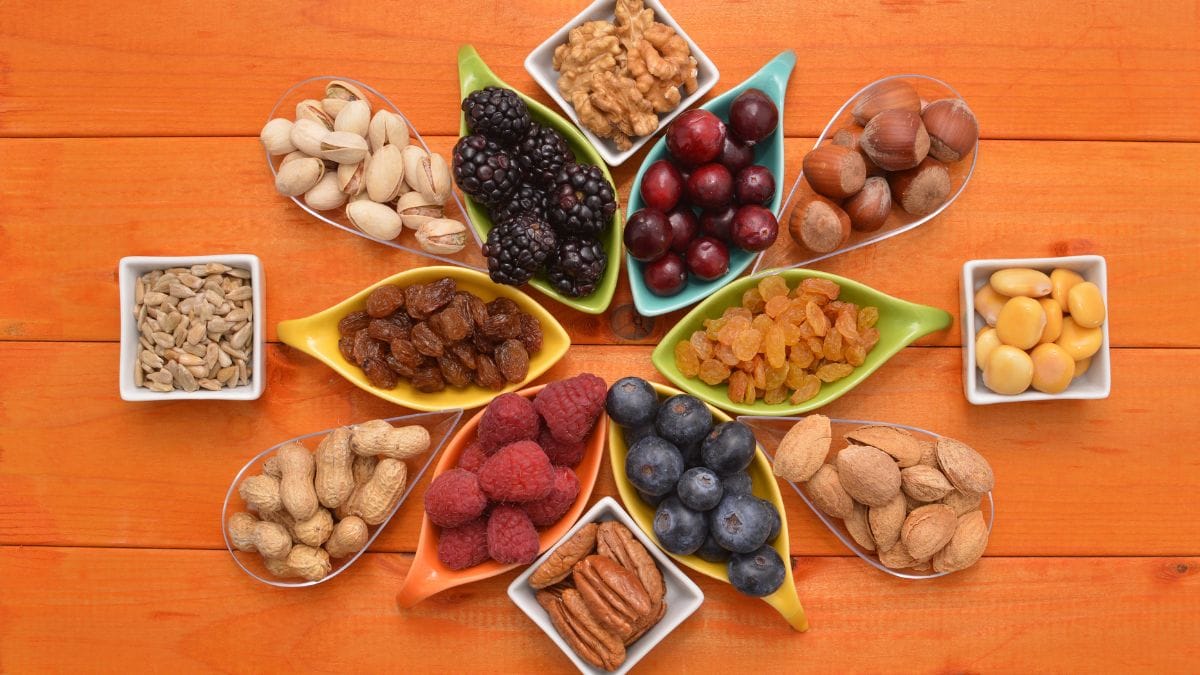
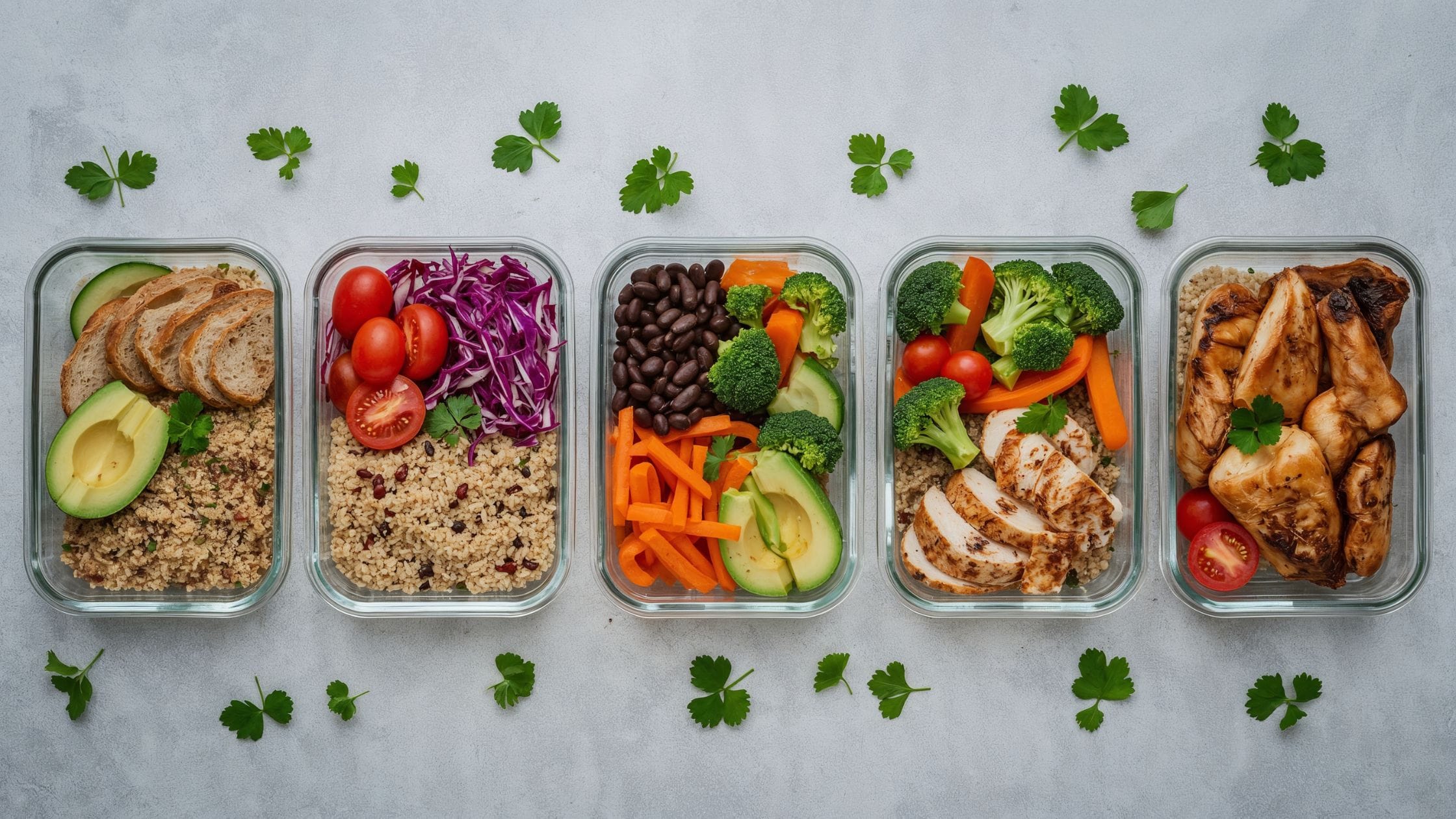
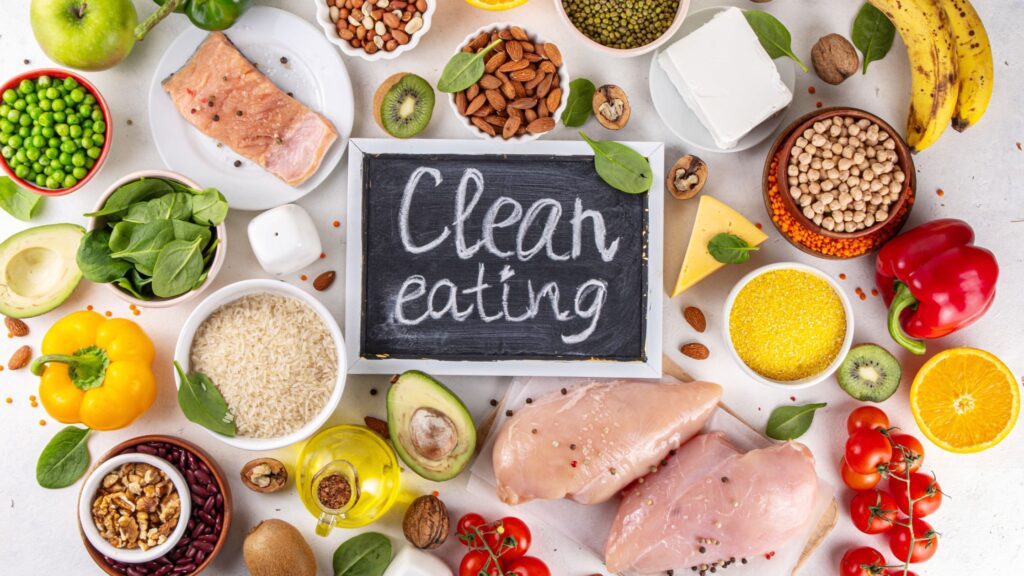
The ultimate way to avoid marketing traps and harmful additives is through mindful shopping and building your diet around real, whole foods. These are foods that are as close to their natural state as possible. Think fruits, vegetables, lean meats, fish, eggs, legumes, nuts, and seeds. These foods don't come with flashy labels or long ingredient lists because they don't need them.
When you do buy packaged foods, adopt a new mindset. Become an investigator, not just a consumer. Prioritize products with short, recognizable ingredient lists. A good rule of thumb is the five-ingredient rule: if a product has more than five ingredients, or if it contains ingredients you can't pronounce, think twice about buying it. This simple habit helps you screen out the majority of ultra-processed foods.
Mindful shopping isn't about perfection; it's about progress. Start by making one or two smarter swaps each time you go to the store. Over time, these small changes will add up to a big difference in your family’s health.
Your practical takeaway
This week, your challenge is to choose one packaged food you regularly buy and find a "cleaner" alternative. Look at the ingredient list of your current choice. Is it long and complicated? Does it contain hidden sugars or additives? Now, search for another brand of the same product with a shorter, simpler ingredient list. This might mean swapping a sugary breakfast cereal for one made with just whole grains, nuts, and dried fruit, or trading a bottled sauce for one without added corn syrup. This one simple swap is a powerful step toward mindful shopping.
Ready to create a delicious, clean breakfast from scratch, with no marketing traps involved? Our homemade granola recipe is simple, wholesome and free from any hidden ingredients.
👉 Try our “Vitalicious Homemade Granola” recipe!
Other articles you may be interested in!
Nutrition and cancer prevention
Empowering healthy shopping choices : The smart food scanner guide
How screens affect eating habits and family health
Frequently Asked Questions
How do I know if a product has hidden sugars?
Practice mindful shopping by checking ingredient lists for terms like high-fructose corn syrup, sucrose, glucose, or anything ending in "-ose." Don’t forget to review the nutrition label to see how much added sugar is in the product.
What are examples of cleaner alternatives I can try?
Practice mindful shopping by making simple swaps for healthier choices. Choose plain yogurt and add fresh fruit for natural sweetness. Swap snack bars for whole nuts or seeds, and pick whole-grain bread instead of white bread.
Is it more expensive to buy cleaner products?
While some clean alternatives might seem costly, focusing on whole, unprocessed foods like fruits, vegetables, and grains can actually be budget-friendly. Planning meals and buying in bulk can also help save money.
Are fewer ingredients always better?
Not necessarily. While a shorter ingredient list can sometimes mean less processing, mindful shopping involves understanding what those ingredients actually are. A product with a few unhealthy additives isn't always the better choice.