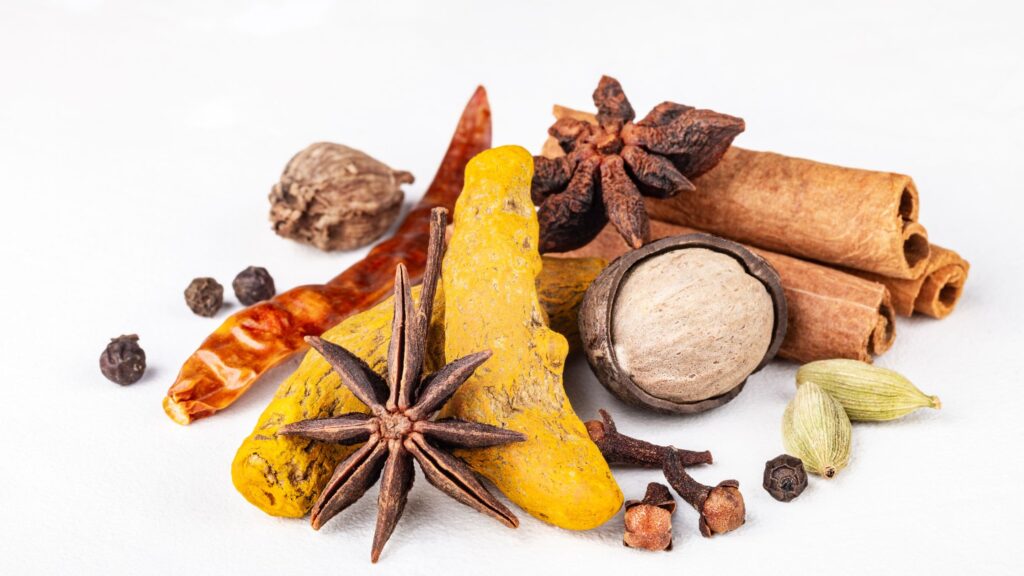
Deep within your kitchen cabinet lies a treasure trove of vibrant colors and beautiful aromas. Your spice rack holds more than just flavor; it holds the key to powerful, natural remedies that can protect your family’s health. Spices like turmeric, ginger, and cinnamon have been used for centuries in traditional medicine, and modern science is now confirming their incredible benefits. These humble kitchen staples are packed with antioxidants and anti-inflammatory compounds that can support overall wellness.
For families seeking simple ways to boost their health, incorporating healing spices into daily meals is one of the easiest and most effective strategies. You don’t need expensive supplements or drastic dietary changes to harness their power. By simply sprinkling a bit of cinnamon on your oatmeal or adding fresh ginger to a stir-fry, you can infuse every meal with protective, health-boosting properties. Let’s explore the amazing world of spices and discover how these natural remedies can become a delicious part of your family’s routine.
Table of Contents
The power of antioxidants and anti-inflammatory spices
Before we dive into specific spices, it’s helpful to understand what makes them so special. Many spices are rich in antioxidants, which are compounds that protect our bodies from damage caused by free radicals. Think of antioxidants as your body’s personal security team, neutralizing harmful molecules that can lead to cell damage and chronic diseases.
Many spices also have powerful anti-inflammatory properties. Inflammation is a natural process that helps your body heal from injury or infection. However, when it becomes chronic, it can contribute to a host of health problems. An anti-inflammatory diet, rich in whole foods and healing spices, can help keep this process in balance. Adding these spices to your cooking is a simple way to fight low-grade inflammation and support long-term health for everyone in your family.
Turmeric: The golden healer
Turmeric is a bright yellow-orange spice that has gained superstar status in the wellness world, and for good reason. Its main active compound is curcumin, a powerful antioxidant with potent anti-inflammatory effects. Studies have shown that curcumin can help reduce inflammation throughout the body, support brain health, and even improve mood. It’s a true powerhouse for natural remedies.
The earthy, slightly bitter flavor of turmeric works well in both savory and sweet dishes. However, curcumin isn’t easily absorbed by the body on its own. To maximize its benefits, you need to combine it with two key things: black pepper and a healthy fat. Black pepper contains piperine, a compound that can increase curcumin absorption by up to 2,000%!
Simple Ways to Use Turmeric:
- Add a teaspoon of ground turmeric and a pinch of black pepper to scrambled eggs or a tofu scramble.
- Whisk it into salad dressings with olive oil.
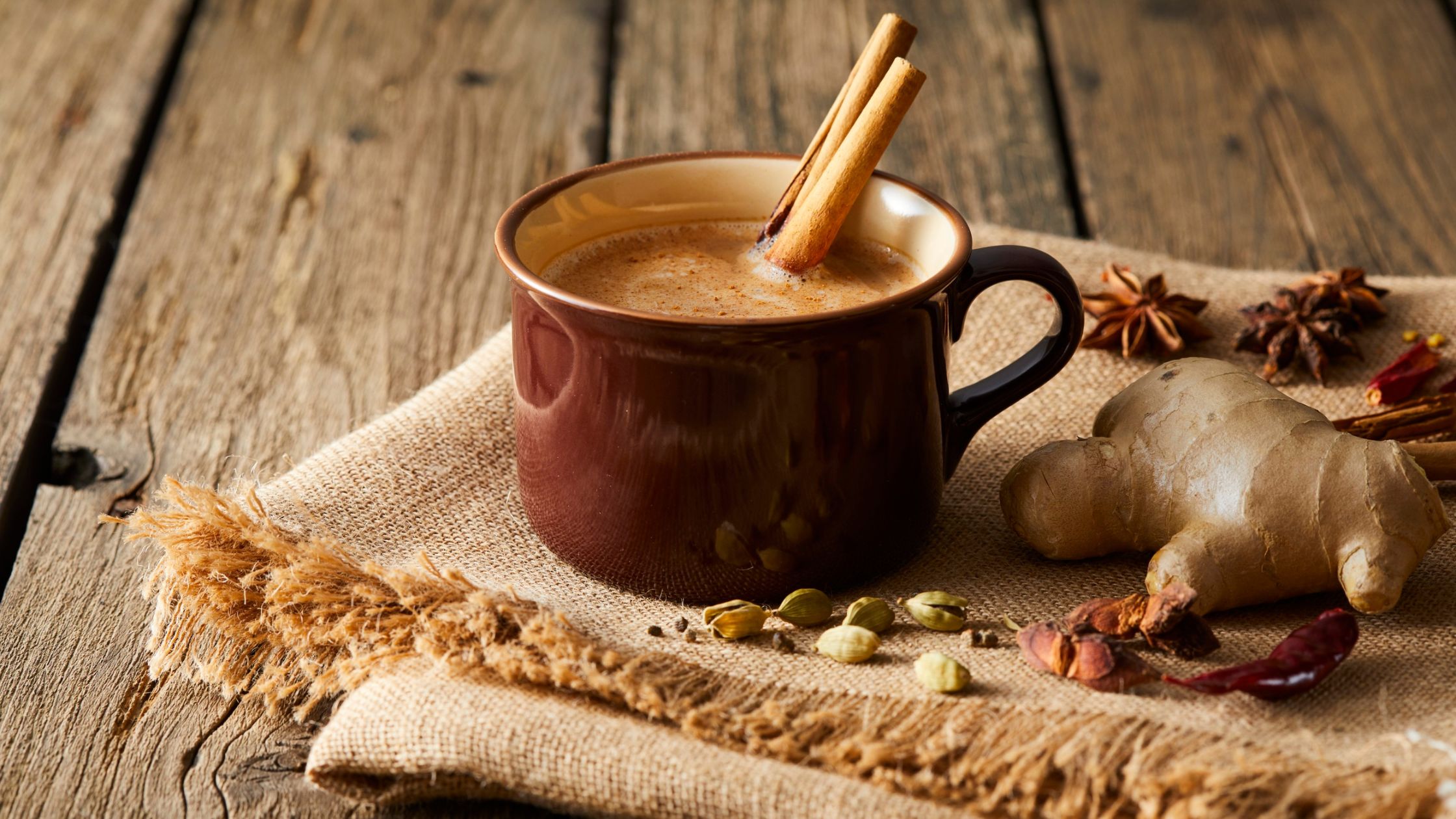
- Make a “golden milk” latte by warming milk (dairy or plant-based) with turmeric, a pinch of black pepper, a dash of cinnamon, and a touch of honey.
- Toss it with roasted vegetables like cauliflower or potatoes before putting them in the oven.
Ginger: The soothing root
Ginger is a zesty, pungent spice that has been used for thousands of years to soothe digestive issues. Its primary bioactive compound, gingerol, is responsible for much of its medicinal properties, including its strong anti-inflammatory and antioxidant effects. It’s a go-to natural remedy for nausea, motion sickness, and general indigestion, making it a fantastic staple for families with little ones who have sensitive stomachs.
Beyond digestion, ginger can also help reduce muscle pain and soreness, making it a great addition to your diet if you have an active family. Its warming flavor adds a kick to many dishes and drinks.
Simple ways to use ginger:
- Steep slices of fresh ginger in hot water with lemon and a drizzle of honey for a soothing tea.
- Grate fresh ginger into stir-fries, marinades, or soups for a burst of fresh flavor.
- Add a small piece of fresh ginger to your morning smoothie.
- Use ground ginger in baked goods like gingerbread, muffins, or cookies.
Cinnamon: The sweet stabilizer
Cinnamon is a beloved spice with a warm, sweet aroma that instantly makes a kitchen feel cozy. But its benefits go far beyond its comforting scent. Cinnamon is loaded with powerful antioxidants, such as polyphenols, and has some of the highest antioxidant activity of all spices. It is also well-known for its anti-inflammatory properties.
One of cinnamon’s most celebrated benefits is its ability to help regulate blood sugar levels. It can slow the breakdown of carbohydrates in the digestive tract and improve insulin sensitivity, which helps prevent the sharp spikes and crashes in energy that often follow a sugary meal. This makes it a perfect spice for helping kids (and adults!) maintain stable energy throughout the day.
Simple ways to use cinnamon:
- Sprinkle it on oatmeal, yogurt, or sliced apples for a healthy and delicious breakfast or snack.
- Add a dash to your morning coffee or tea.
- Mix it into pancake or waffle batter.
- Use it in savory dishes, like Moroccan-inspired stews to add warmth and depth of flavor.
Practical takeaway
Your simple mission this week is to choose one healing spice and add it to a family meal every day. Start with something easy. If you choose cinnamon, add it to your morning oatmeal or yogurt. If you pick turmeric, toss it with your dinner vegetables. The goal is to make it a simple, automatic habit. This small, consistent action will help you and your family start reaping the incredible anti-inflammatory benefits of these powerful natural remedies.
A warm, nourishing soup is one of the best ways to pack in a variety of healing spices. Our anti-inflammatory Soup is designed to be as delicious as it is healthy.
👉 Try the “Golden Vita Soup” now!
Other articles you may be interested in!
Legumes: The secret to heart health and satiety
Healthy fats: Fuel your brain, not your belly
Natural detox teas for a safe and gentle cleanse
Frequently Asked Questions
What makes turmeric a healing spice?
Turmeric contains curcumin, a compound with potent anti-inflammatory and antioxidant properties that can help reduce inflammation and support overall health.
How does ginger benefit health?
Ginger is well-known for its anti-inflammatory and digestive benefits. It can help soothe nausea, reduce muscle pain, and improve overall gut health.
Why is cinnamon considered a natural remedy?
Cinnamon is rich in antioxidants that help fight free radicals. It also supports blood sugar regulation and has anti-inflammatory properties.
How can I use these spices in my daily meals?
You can incorporate turmeric, ginger, and cinnamon into soups, stews, teas, and smoothies, or sprinkle them over your favorite dishes for added flavor and health benefits.
What is the Golden Anti-Inflammatory Soup?
It’s a delicious, nutrient-packed soup designed to harness the healing properties of turmeric, ginger, and other spices, offering both flavor and health benefits.
Are there any reasons to avoid these spices?
While generally safe for most people, consuming large amounts of turmeric, ginger, or cinnamon may cause mild side effects or interact with certain medications. It’s always best to consult a healthcare professional if you have specific concerns.