Fats are a major source of energy and a crucial building block for every cell in your body. They help you absorb vitamins, regulate hormones, and keep you feeling full and satisfied. For busy families, understanding the difference between harmful fats and healthy fats is a game-changer. It’s about shifting the focus from avoiding all fats to embracing the right ones. Let's debunk the myths and explore how healthy fats can boost your brain and support your family’s well-being.
Table of contents
The myth of fat and weight gain
The idea that "eating fat makes you fat" seems logical, but it’s a vast oversimplification. The real drivers of weight gain are often excess calories from any source, particularly from sugar and highly processed foods that our bodies digest too quickly. Healthy fats, on the other hand, are digested slowly, which provides a steady stream of energy and promotes satiety—the feeling of fullness.
Think about it: a handful of almonds or a slice of avocado keeps you feeling satisfied for hours, while a sugary snack can leave you hungry again in less than an hour. By including healthy fats in your meals, you can help regulate appetite, reduce cravings for unhealthy foods, and prevent overeating. This makes healthy fats a powerful ally in maintaining a healthy weight for you and your family, not an enemy to be feared.
Meet the omegas: The brain-boosting fats
When we talk about healthy fats, two of the most important players are omega-3 and omega-6 fatty acids. These are "essential" fatty acids, meaning our bodies can't produce them, so we must get them from our food. They are vital for countless bodily functions, but they are especially famous for their role in brain health.
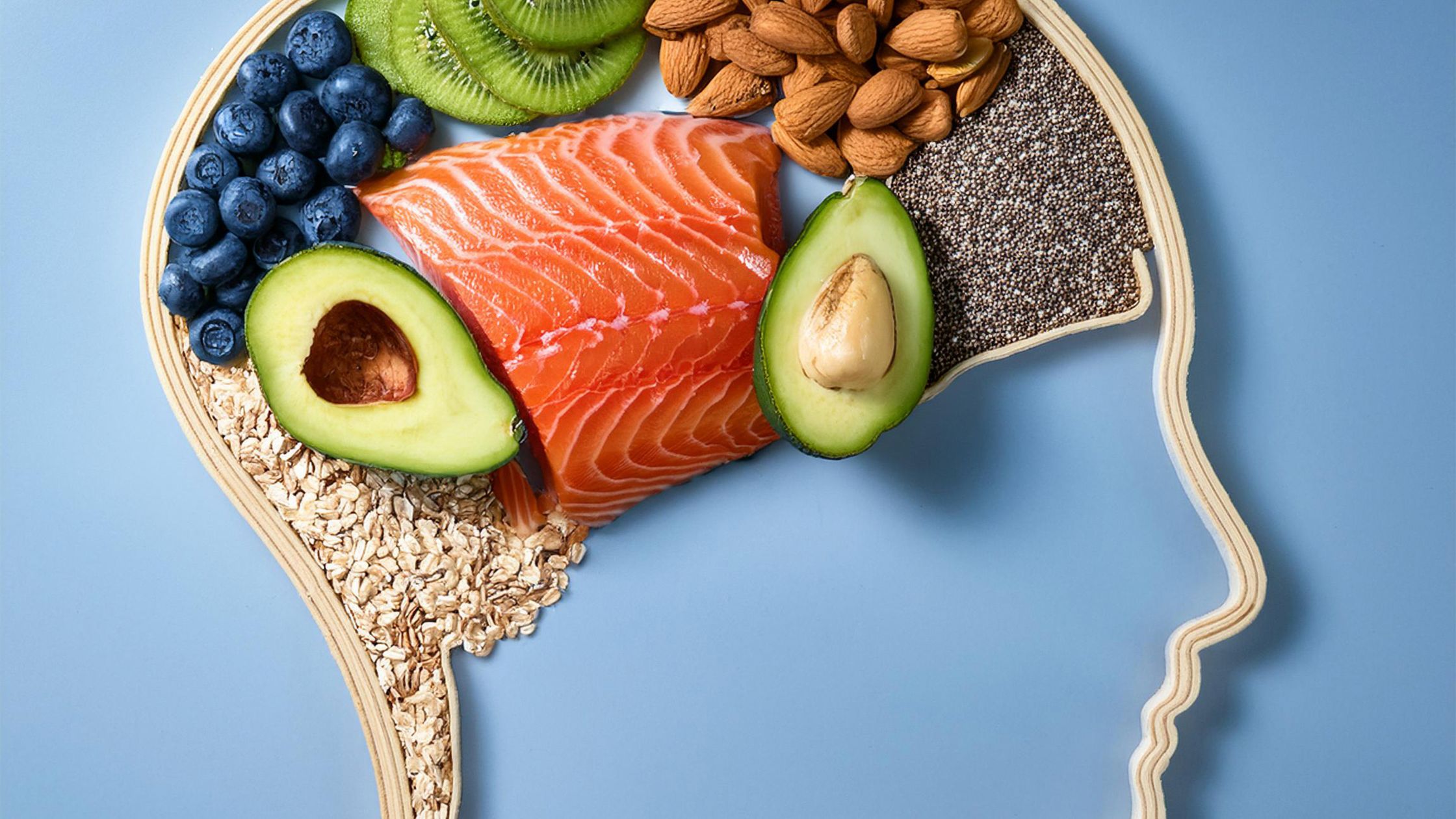
The human brain is nearly 60% fat, and omega-3s, particularly one called DHA, are a major structural component. These fats are critical for learning, memory, and mood regulation. For children, a sufficient intake of omega-3s is fundamental for brain development. A deficiency can be linked to challenges with focus and behavior.
Omega-6 fatty acids are also important for health, but balance is key. A typical modern diet tends to be very high in omega-6s (found in many vegetable oils and processed foods) and too low in omega-3s. This imbalance can promote inflammation. The goal is to decrease the intake of processed omega-6s and increase the intake of anti-inflammatory omega-3s.
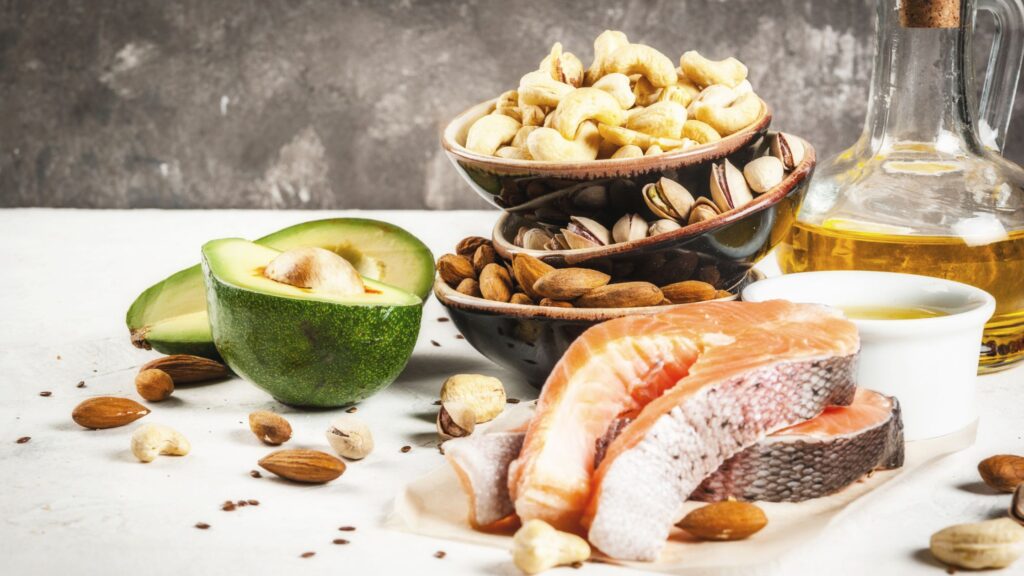
- Top Sources of Omega-3s: Fatty fish (salmon, mackerel, sardines), flaxseeds, chia seeds, and walnuts.
- Healthy Sources of Omega-6s: Nuts, seeds, and avocado.
- Sources of Omega-6s to Limit: Processed snack foods and oils like corn, soybean, and sunflower oil.
Choosing the right oils: Cold-pressed vs. refined
The cooking oil aisle can be one of the most confusing places in the grocery store. Understanding the difference between oil types is crucial for harnessing their benefits. The key distinction often lies in how they are processed.
Cold-pressed oils are extracted from seeds or fruits using a mechanical press without high heat. This gentle process preserves the oil's natural flavor, aroma, and, most importantly, its nutrients, including delicate antioxidants and fatty acids. Extra virgin olive oil is a perfect example of a cold-pressed oil, renowned for its heart-healthy and anti-inflammatory properties. Other great options include cold-pressed avocado oil and flaxseed oil.
Refined oils, on the other hand, are often extracted using high heat and chemical solvents. This industrial process strips the oil of its nutrients and can even create harmful trans fats if the oil is partially hydrogenated. These oils (like generic vegetable oil, corn oil, and soybean oil) are cheap and have a long shelf life, but they offer little nutritional benefit and can contribute to inflammation when consumed in excess.
How to bring healthy fats into your family's diet
Incorporating healthy fats into your daily routine is easier and more delicious than you might think. It’s about making simple swaps and additions.
- Start the Day Strong: Add a spoonful of chia seeds or ground flaxseeds to oatmeal, yogurt, or smoothies. Mash avocado onto whole-grain toast for a satisfying breakfast.
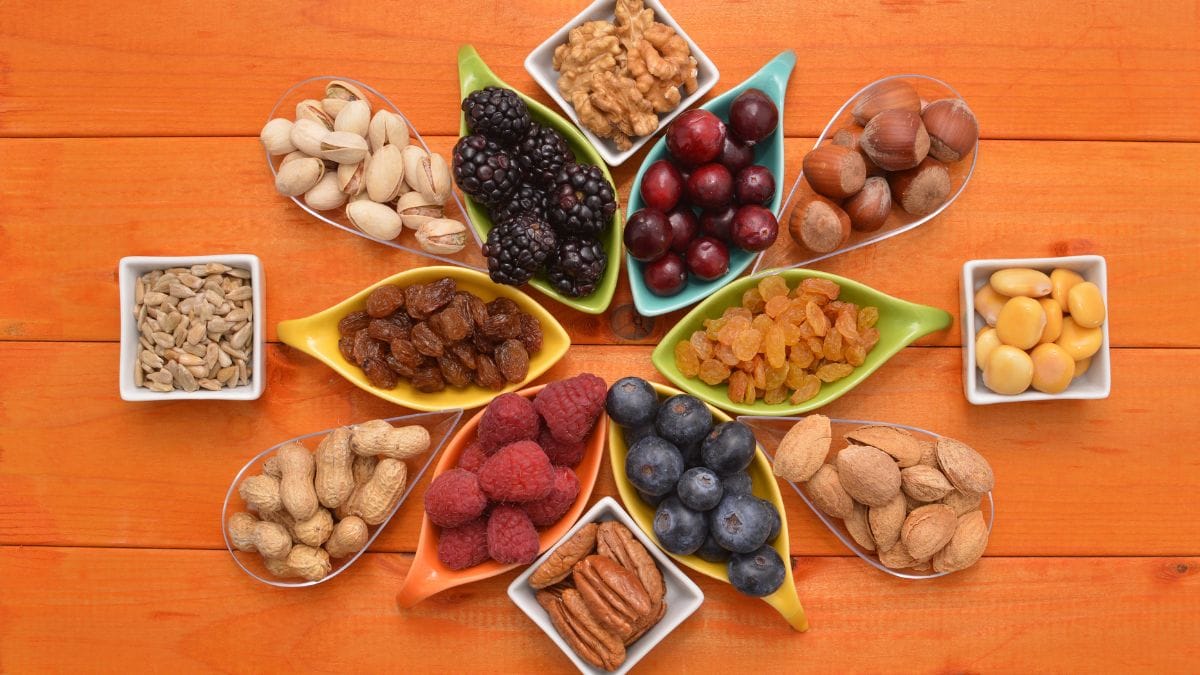
- Snack Smarter: Offer a small handful of walnuts or almonds as a snack instead of crackers or chips. Apple slices with a scoop of natural peanut or almond butter is another family-friendly favorite.
- Dress Your Salads Well: Ditch the store-bought dressings, which are often full of refined oils and sugar. Make your own simple vinaigrette with extra virgin olive oil, lemon juice, and a touch of mustard.
- Cook with a Healthy Fat: Use extra virgin olive oil for low-to-medium heat cooking and avocado oil for high-heat cooking like searing or roasting.
- Add a Finishing Touch: Drizzle a high-quality olive oil over roasted vegetables, soups, or pasta right before serving to boost flavor and nutrition.
Your practical takeaway
Your challenge for this week is to make one healthy fat swap each day. It doesn't have to be a big change. Swap the butter on your toast for mashed avocado. Replace your usual cooking oil with avocado oil. Trade your child's sugary granola bar for a small bag of mixed nuts and seeds. These small, consistent changes are the foundation of building a diet rich in brain-boosting, body-fueling healthy fats.
Ready to create a delicious and incredibly healthy snack that your whole family will love? This spread is packed with omega-3s and is perfect for toast, crackers, or as a dip for veggies.
👉 Try the “Vita Pumpkin Power Toast”!
Other articles you may be interested in!
Mindful shopping tips for a healthier lifestyle
How screens affect eating habits and family health
Vitality Routines at home : Energize your day
Frequently Asked Questions
What are Omega-3 and Omega-6, and why are they important?
Omega-3 and Omega-6 are essential fatty acids that play a critical role in maintaining overall health. Omega-3s are known for their anti-inflammatory properties and support brain health, cardiovascular function, and joint mobility. Common sources of Omega-3 include fatty fish, flaxseeds, chia seeds, and walnuts. Omega-6s, on the other hand, help with energy production and promote healthy skin and hair but must be consumed in moderation to maintain a proper balance with Omega-3s. They are commonly found in vegetable oils, seeds, and nuts.
What is the difference between cold-pressed and refined oils?
Cold-pressed oils are extracted mechanically at low temperatures, preserving more of the natural nutrients, flavors, and aromas of the oil. Refined oils, on the other hand, undergo additional processing, often including heat and chemicals, to achieve a neutral flavor, lighter color, and longer shelf life.
Are cold-pressed oils healthier than refined oils?
Cold-pressed oils are often considered healthier because they retain more antioxidants, vitamins, and natural compounds that can be beneficial for health. However, the choice of oil depends on how you plan to use it. Some refined oils, with higher smoke points, may be more suitable for high-heat cooking to reduce the risk of harmful compounds forming.
Can cold-pressed oils be used for frying?
Cold-pressed oils typically have a lower smoke point compared to refined oils, making them less suitable for high-heat frying or sautéing. They are better suited for dressings, drizzling, or low-temperature cooking to preserve their quality and nutritional value.
Are refined oils bad for you?
Refined oils are not inherently bad, but they may lack some of the antioxidants and nutrients found in cold-pressed oils. They are versatile and practical for high-heat cooking, but moderation and the overall balance of your diet remain key to maintaining health.
Why should I avoid store-bought dressings?
Store-bought dressings often contain refined oils and added sugar, which can be unhealthy. Making your own vinaigrette allows you to control the ingredients for a healthier option.
What is a simple recipe for a vinaigrette?
Combine extra virgin olive oil, lemon juice, and a touch of mustard to create a quick and healthy homemade vinaigrette.
When should I use extra virgin olive oil for cooking?
Extra virgin olive oil is best for low-to-medium heat cooking, as it retains its beneficial properties and flavor at these temperatures.
What is the best oil for high-heat cooking?
Avocado oil is a great choice for high-heat cooking, such as searing or roasting, due to its high smoke point.