You’re standing in the grocery aisle, holding two boxes of cereal. One boasts it’s “all-natural,” while the other is “fortified with vitamins.” You want the healthier option for your family, but the claims are confusing, and the ingredient lists look like a foreign language. It’s a common feeling, but you don’t have to be a nutritionist to make confident choices. Learning how to read food labels is one of the most empowering skills you can develop for your family’s health.
This isn’t about memorizing every chemical or stressing over every number. It’s about learning a few simple tricks to see past the marketing and understand what’s truly inside your food. We’ll break down how to decode ingredient lists, spot hidden sugars, and make sense of those mysterious codes. Get ready to turn confusion into clarity and become the food detective your family deserves.
Table of Contents
Master the ingredient list: The 5-Second Rule
The most truthful part of any food package isn’t the flashy claim on the front. It’s the ingredient list on the back. This is where companies are legally required to tell you what’s in the product. The key is knowing how to read it quickly and effectively.
When reading food labels, remember that ingredients are always listed by weight, from most to least. The first one or two ingredients are usually the main components. Use this to your advantage with the “5-Second Rule.” Quickly check the first five ingredients on any food labels. Are they whole, recognizable foods such as “whole grain oats,” “tomatoes,” or “chicken”? Or do you see variations of sugar, refined flours, and chemical-sounding names? This quick check on food labels gives you an immediate sense of the product’s quality.
Another pro tip is to look at the length of the list. Generally, a shorter ingredient list means a less processed food. If the list is a paragraph long and filled with words you can’t pronounce, it’s a good sign that the product is more of a science experiment than a wholesome food.
The sugar trap: Uncovering hidden sweeteners
Food manufacturers have become masters at hiding sugar on food labels of their products. They know consumers are looking for “sugar” on the label, so they use dozens of other names to disguise it. An item can be loaded with sweeteners even if sugar isn’t one of the top ingredients.
The first step is to recognize sugar’s many aliases. Look for any word ending in “-ose,” such as dextrose, fructose, maltose, and sucrose. Also, be aware of syrups like high-fructose corn syrup, rice syrup, and agave nectar. Even seemingly “healthy” sweeteners like honey, maple syrup, and coconut sugar are still added sugars that should be consumed in moderation.
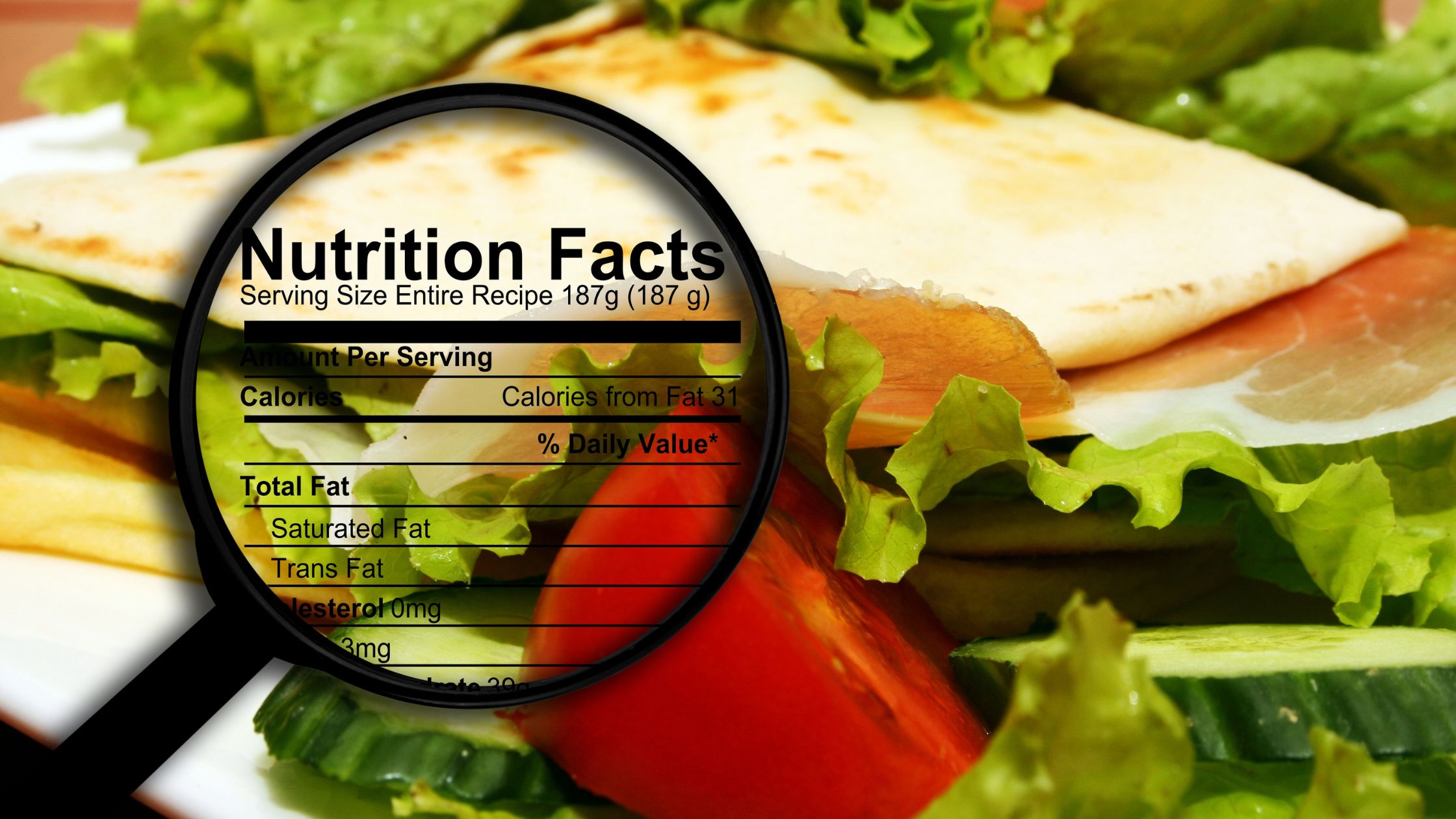
To find the total amount, check the “Nutrition Facts” panel. Look for the “Includes Added Sugars” line. This number tells you exactly how much sugar was added during processing, separate from the sugars that occur naturally in foods like fruit or milk. The American Heart Association recommends that children consume less than 25 grams (about 6 teaspoons) of added sugar per day, so this line is your best tool for keeping your family’s intake in check.
Decoding E-codes and other mysteries
Have you ever seen codes like “E102” or complex names like “monosodium glutamate” and felt completely lost? These are food additives, and while some are harmless, others are worth avoiding. E-numbers are simply codes used in the European Union (and other parts of the world) to identify additives, but you’ll see the full names on U.S. food labels.
Don’t feel pressured to memorize them all. Instead, focus on a few of the most common ones to avoid:
- Artificial Colors: Look for names like “FD&C Red No. 40,” “Yellow 5,” or their E-numbers (E100-E180 range). These have been linked to behavioral issues in sensitive children.
- Flavor Enhancers: Monosodium Glutamate (MSG or E621) is the most famous, but it can be hidden under “hydrolyzed vegetable protein” or “yeast extract.”
- Artificial Sweeteners: Aspartame (E951) and Sucralose (E955) are common in “diet” or “sugar-free” products.
- Preservatives: BHA (E320) and Sodium Nitrite (E250) are used to extend shelf life but have been flagged for potential health concerns.
Using a food scanner app can help you identify these instantly. But simply being aware that a long list of additives often signals a highly processed food is a powerful first step.
Don’t be fooled by health halos
Food marketing loves creating “health halos” on food labels. They use buzzwords on packaging to make products seem healthier than they are. Always look past these claims and check the ingredient list for the real story.
Here are a few common marketing traps:
- “Natural”: This term is not well-regulated. A product can be labeled “natural” and still contain high-fructose corn syrup, preservatives, and other processed ingredients.
- “Made with Whole Grains”: This might only mean a tiny amount of whole grains were used. Check the ingredient list to ensure “whole grain flour” or “whole oats” is the very first ingredient.
- “Light” or “Lite”: This could mean the product is lighter in color, texture, or flavor—not necessarily lower in calories or fat. It could also mean fat was reduced but sugar was added to compensate for taste.
- “No Sugar Added”: This simply means no extra sugar was added during processing. However, the product could still be high in natural sugars (like fruit juice concentrate) or contain artificial sweeteners.
Always let the nutrition panel and ingredient list be your guide, not the appealing words on the front.
Your practical takeaway
Your challenge this week is to investigate one “healthy” packaged food your family regularly eats. Pick up that box of granola bars, your go-to cereal, or the whole-wheat crackers. Ignore the front and go straight to the back. Use the 5-Second Rule on the ingredients, check the “Added Sugars,” and see if you recognize everything on the list. This simple act of investigation will build your label-reading confidence and empower you to make an informed choice next time you’re at the store.

Other articles you may be interested in!
Nutrition and cancer prevention
Empowering healthy shopping choices : The smart food scanner guide
How screens affect eating habits and family health
Frequently Asked Questions
Why is it important to read food labels?
Reading food labels is crucial because it helps you understand what you’re consuming. Food labels provide essential information about ingredients, nutritional content, and potential allergens, allowing you to make informed choices for your health and well-being.
Are artificial colors harmful?
Artificial colors are added to enhance the appearance of processed foods, but some studies suggest they may have negative health effects, especially in children, such as hyperactivity or allergic reactions. It’s best to look for products with natural coloring agents when possible.
What are flavor enhancers, and are they safe?
Flavor enhancers, like monosodium glutamate (MSG), are used to intensify the taste of foods. While the FDA generally recognizes them as safe, some people report sensitivity to additives like MSG, experiencing symptoms such as headaches or nausea.
Should I avoid artificial sweeteners?
Artificial sweeteners, like aspartame or sucralose, are low-calorie substitutes for sugar. While they are approved for consumption, some individuals prefer to avoid them due to potential health concerns or preference for natural alternatives like honey or stevia.
What role do preservatives play in food?
Preservatives are added to extend the shelf life of foods by preventing spoilage caused by bacteria, yeast, or mold. Although many are considered safe when consumed in moderate amounts, some people choose to limit intake of synthetic preservatives like sodium benzoate or nitrates. It’s always a good idea to opt for fresh or minimally processed foods whenever feasible.
What are health halos and how do they affect food choices?
Health halos refer to the perception that a food is healthier than it actually is, often due to marketing claims or specific packaging. For example, labels such as “organic,” “gluten-free,” or “low-fat” can create the impression that a product is automatically nutritious, even when it might be high in sugar, calories, or sodium. To make informed food choices, it’s important to read the full nutrition label and ingredient list rather than relying solely on front-of-package claims.