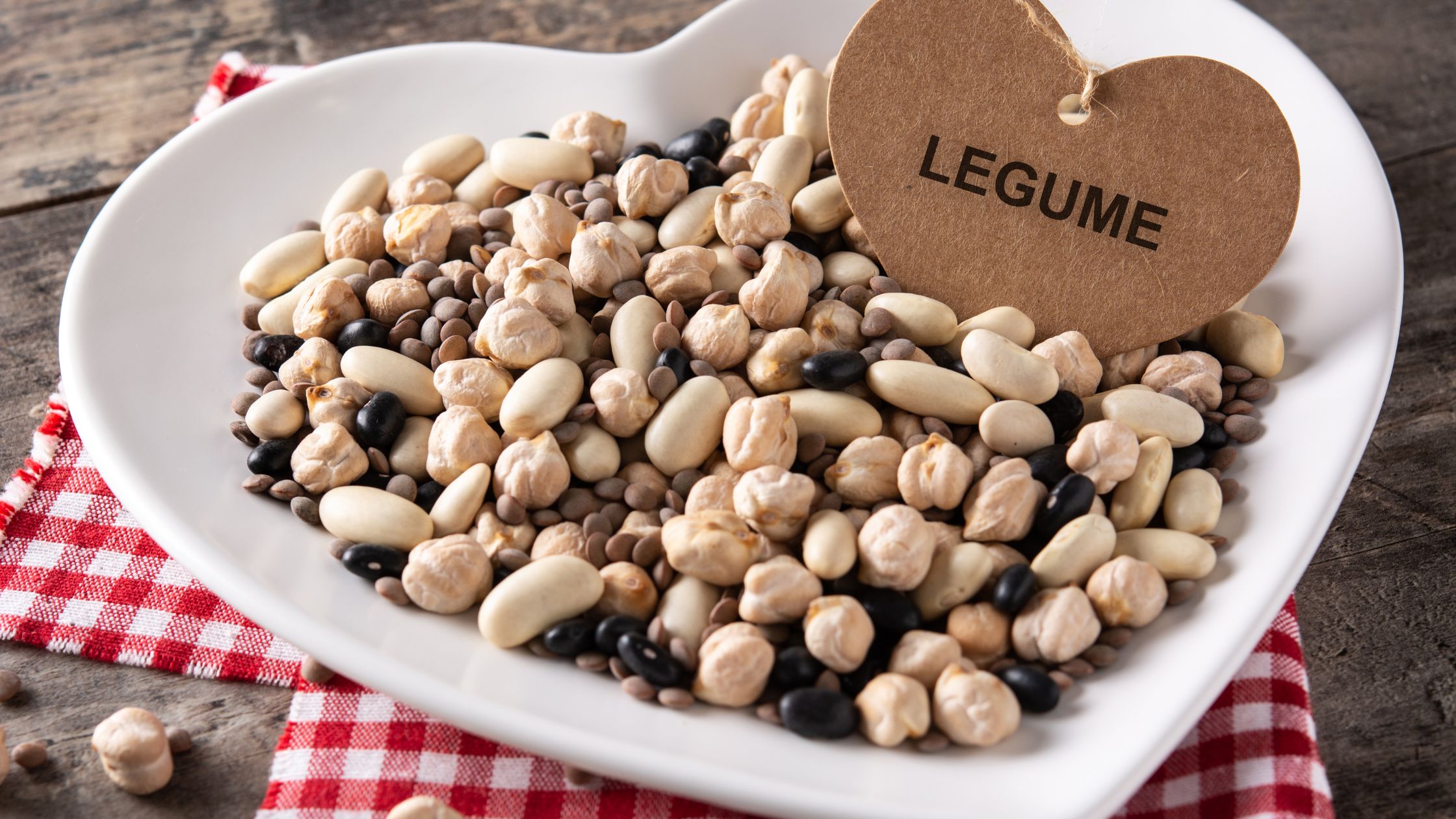
In the bustling world of superfoods, where exotic berries and ancient grains often take center stage, a humble hero sits quietly in our pantries: legumes. Lentils, chickpeas, beans, and peas might seem ordinary, but they are nutritional powerhouses packed with benefits that can transform your family’s health. Often overlooked, these versatile foods are a forgotten treasure, offering incredible advantages for heart health, keeping you full and satisfied, and providing a fantastic source of plant-based protein.
For families looking to eat healthier without overhauling their entire kitchen or budget, legumes are the perfect answer. They are inexpensive, easy to cook, and wonderfully adaptable to countless recipes your kids will actually enjoy. It’s time to rediscover these pantry staples and learn how they can support your family’s well-being from the inside out. Let’s explore why legumes deserve a starring role on your dinner plate.
Table of Contents
The heart-healthy hero in your cupboard
Your heart works hard for your family, and one of the best ways to take care of it is through your diet. Legumes are champions of cardiovascular wellness for several key reasons. They are exceptionally rich in soluble fiber, a type of fiber that acts like a sponge in your digestive system, soaking up cholesterol and preventing it from being absorbed into the bloodstream. This simple action can lead to lower levels of LDL (the "bad") cholesterol, a major risk factor for heart disease.
Furthermore, legumes are packed with heart-friendly minerals like potassium and magnesium. Potassium helps to counterbalance the effects of sodium, which can help lower blood pressure. Magnesium plays a vital role in maintaining a steady heartbeat. A diet rich in legumes is a simple, delicious strategy for building a strong foundation of heart health for the entire family.
The power of plant protein and fiber
"Where do you get your protein?" It's a common question, especially for those looking to eat more plant-based meals. Legumes are a fantastic answer. A single cup of cooked lentils, for example, provides about 18 grams of protein—more than three eggs! This plant protein is essential for building and repairing tissues, supporting muscle growth, and keeping your kids’ bodies strong and active.
Beyond protein, legumes are a fiber superstar. Most people don't get enough fiber in their diet, which is crucial for digestive health and so much more. The combination of protein and fiber is what makes legumes so incredibly satisfying. This dynamic duo slows down digestion, which helps stabilize blood sugar levels and prevents the energy spikes and crashes that can lead to crankiness and cravings. A meal built around legumes keeps you and your family feeling full, focused, and energized for hours.
A rainbow of legumes: Exploring the varieties
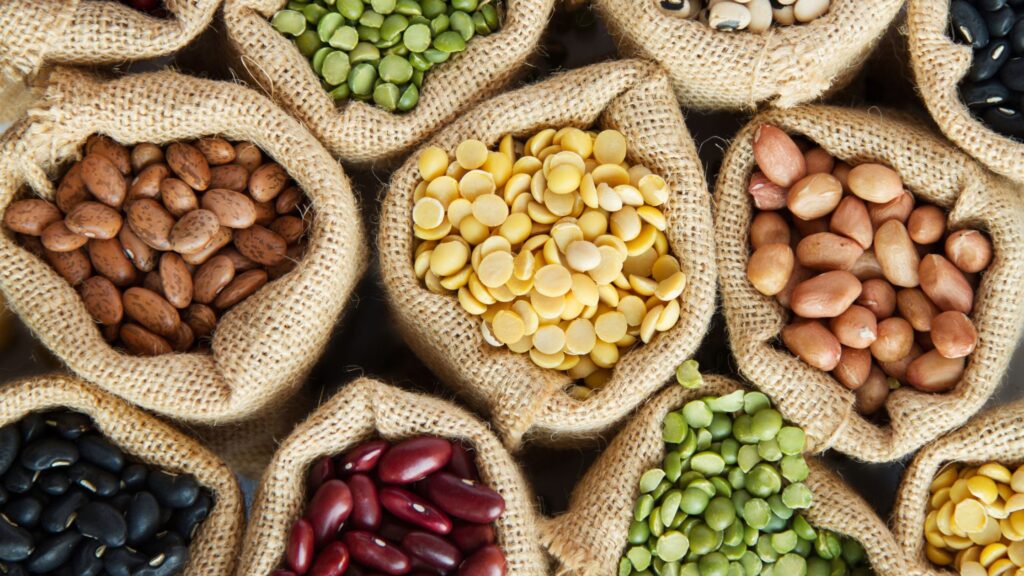
The world of legumes is vast and colorful, with each type offering a unique texture and flavor. Getting to know a few different varieties can make incorporating them into your meals fun and exciting.
- Lentils: These cook quickly and don't require soaking. Brown and green lentils hold their shape well, making them perfect for salads and soups. Red lentils break down when cooked, creating a creamy texture ideal for curries and stews.
- Chickpeas (Garbanzo Beans): With their nutty flavor and firm texture, chickpeas are incredibly versatile. Roast them for a crunchy snack, blend them into hummus, or toss them into salads and pasta dishes.
- Black Beans: A staple in Latin American cuisine, black beans are smooth, creamy, and full of earthy flavor. They are a wonderful addition to tacos, burritos, and hearty soups.
- Kidney Beans: Famous for their role in chili, kidney beans have a robust flavor and firm texture that holds up well to long cooking times. They are also a great source of iron.
Simple tips for cooking with legumes
Cooking with legumes can seem intimidating, especially if you're starting with the dried variety. But it's easier than you think!
- Canned vs. Dried: Canned beans are a fantastic, convenient option for busy weeknights. Just be sure to rinse them thoroughly to remove excess sodium. Dried beans are more economical and often have a better texture.
- Soaking is Simple: For most dried beans (except lentils and split peas), soaking is recommended. Simply cover the beans with a few inches of water and let them sit overnight. This shortens their cooking time and makes them easier to digest. Forgot to soak? Try the quick-soak method: cover beans with water, bring to a boil, cook for one minute, then turn off the heat and let them stand for an hour.
- Flavor from the Start: Cook your beans with aromatics to infuse them with flavor. Add a bay leaf, a few cloves of garlic, or half an onion to the cooking water. Wait to add salt until the end of the cooking process, as it can toughen the beans' skin.
Your practical takeaway
This week, your mission is to swap a meat-based protein for a legume in one family meal. Instead of ground beef in your tacos, try seasoned black beans. Instead of chicken in your soup, use hearty lentils. This simple exchange is an easy, budget-friendly way to introduce your family to the benefits of plant protein and see just how delicious and satisfying legumes can be.
Ready to bring this forgotten gem back to your table? This colorful, protein-rich salad is a family favorite and takes just minutes to make.
👉 Try the “Vita Lentil Salad” tonight!
Other articles you may be interested in!
Mindful shopping tips for a healthier lifestyle
Healthy fats: Fuel your brain, not your belly
Natural detox teas for a safe and gentle cleanse
Frequently Asked Questions
What makes plant protein a good choice for my diet?
Plant protein is an excellent source of nutrition because it’s naturally low in saturated fat and cholesterol-free. It also provides essential amino acids, vitamins, and minerals, making it a healthier and environmentally friendly alternative to animal-based proteins.
Why is fiber important, and how do legumes contribute to my daily fiber intake?
Fiber plays a crucial role in maintaining a healthy digestive system, stabilizing blood sugar levels, and promoting heart health. Legumes like lentils, black beans, chickpeas, and kidney beans are rich in dietary fiber, helping you meet your daily intake while keeping you full and satisfied.
What are the health benefits of eating legumes?
Legumes are nutrient powerhouses that support heart health, aid in weight management, and provide sustainable energy. Packed with plant protein, fiber, iron, folate, and other vital nutrients, they’re a versatile ingredient for a balanced diet.
How do lentils, black beans, chickpeas, and kidney beans differ in their nutritional profile?
Each type of legume has unique nutritional benefits. Lentils are high in folate and iron, black beans are rich in antioxidants, chickpeas provide a good dose of magnesium and potassium, and kidney beans are packed with complex carbohydrates and plant protein.
Are legumes suitable for people with food allergies or dietary restrictions?
Yes, legumes are naturally gluten-free, nut-free, and dairy-free, making them ideal for many dietary restrictions. However, some individuals may have specific allergies to legumes, so it’s always a good idea to consult with a healthcare professional if needed.