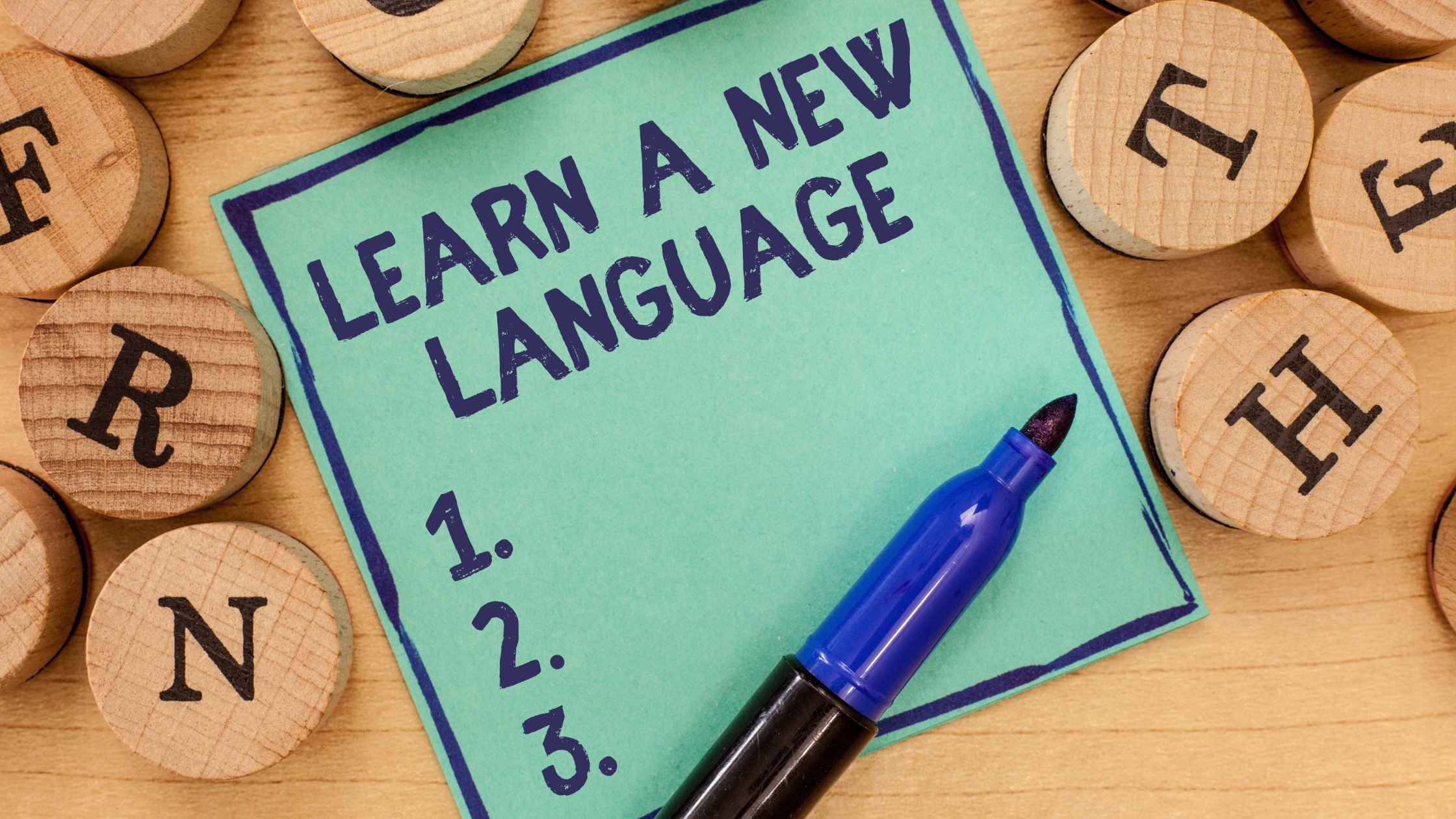
From a toddler's first words to a grandparent sharing stories, language is the thread that weaves our lives together. It’s how we connect, express love, and share ideas. But what if learning a new language could do even more?
Research shows that language learning benefits extend far beyond communication. It can enhance cognitive abilities like problem-solving and creativity, delay the onset of age-related cognitive decline, and even improve your memory. What if learning a new language could be one of the most powerful and joyful ways to boost your brain's health for a lifetime?
The beautiful truth is that language learning isn’t just for kids, and it’s about far more than just travel or career opportunities. It’s a holistic practice that nourishes your mind at every stage of life. From enhancing a child’s cognitive development to protecting an older adult’s memory, the journey of learning a new language is a profound investment in your family’s well-being.
Let’s explore the incredible science behind bilingual or multilingual brain health and discover how you can weave this beautiful practice into your family’s life, no matter your age.
Table of Contents
The bilingual brain: A workout for a lifetime
Our brains are remarkable organs, capable of changing and adapting throughout our lives. This ability is called neuroplasticity. Think of it as your brain’s superpower to rewire itself, form new connections, and stay resilient. Language learning is one of the best exercises to keep this power strong.
When you speak or even just think in more than one language, your brain is constantly making choices, switching between different sets of rules, sounds, and structures. This mental juggling act strengthens the brain’s executive functions—the control center responsible for planning, problem-solving, and focus.
The magic of early language learning for kids
For children, the benefits are profound. Their brains are in a "critical period" where they are primed to absorb languages effortlessly. Introducing a second language at this stage doesn't just teach them new words; it fundamentally shapes their developing minds.
- Enhanced Cognitive Flexibility: Studies show that bilingual children are often better at switching between tasks and thinking creatively to solve problems. Their brains are trained to see the world through multiple lenses.
- Stronger Memory and Attention: The effort of managing two languages boosts working memory. Bilingual kids often excel at remembering instructions and filtering out irrelevant distractions, which is a huge advantage in the classroom and beyond.
- Deepened Empathy: By learning that an object can have two names (like dog and perro), a child begins to understand that their perspective isn't the only one. This simple concept is a building block for empathy and cultural awareness.
Brain-boosting benefits for adults and seniors
You might think the window for easy language learning closes after childhood, but that’s a myth. While the process may feel different, the language learning benefits for adults and seniors are just as significant, particularly for long-term brain health.
- A protective shield for the brain: This is where the science gets truly exciting. A growing body of research shows a powerful link between bilingualism and cognitive reserve. This "reserve" is like a mental backup, helping the brain resist damage. Studies have found that lifelong bilinguals, on average, show symptoms of dementia and Alzheimer's disease up to five years later than their monolingual counterparts.
- Improved memory and multitasking: Learning new vocabulary and grammar rules creates new neural pathways. For adults, this challenges the brain in novel ways, improving memory recall and the ability to manage multiple tasks at once. It’s a natural and engaging way to keep your mind sharp.
- A sense of accomplishment and connection: Beyond the neurological benefits, learning a language as an adult provides a wonderful sense of purpose and opens doors to new cultures, friendships, and experiences.
Weaving language into your family's life: Practical tips
Bringing a new language into your home should feel like a joyful adventure, not a chore. The key is to focus on fun, consistency, and connection.
For families with young children
- Narrate your day: Integrate simple words into your daily routines. When you hand your child a banana at breakfast, say "banane" (French) or "plátano" (Spanish). Count the stairs in a new language as you go up to bed. "One, two, three… uno, dos, tres!"
- Music and storytime fun: Play songs and nursery rhymes in another language during car rides or playtime. Find bilingual versions of their favorite storybooks. Hearing the rhythm and sounds repeatedly makes learning feel natural and effortless.
- Screen time with a twist: Many children's shows offer audio tracks in different languages. Switching a familiar cartoon to Spanish or French provides easy, passive exposure while they enjoy their favorite characters.
- Game On!: Turn learning into a game. Play "I Spy" with colors in a new language or use flashcards to match pictures with words.
For adults and seniors looking for a brain boost
It’s never too late to start! The secret is to find what you enjoy and make it a gentle habit.
- Use fun language apps: Dedicate just 10-15 minutes a day to a user-friendly app like Duolingo, Babbel, or Memrise. The gamified lessons make learning feel rewarding and manageable.
- Label your environment: Place sticky notes on items around your home—the mirror (le miroir), the coffee maker (la cafetière), the window (la ventana). This simple visual cue reinforces vocabulary every time you walk by.
- Find a language buddy: Team up with a friend or family member who is also learning. Practice together over coffee, send each other texts in the new language, and hold each other accountable.
- Immerse yourself in culture: Connect the language to something you love. Listen to a playlist of Italian music while you cook, watch a German film with subtitles or follow travel bloggers from Japan. This connects the words to a vibrant, living culture.
- Join a conversation group: Many local libraries, community centers, or online platforms host casual language exchange groups. It's a low-pressure way to practice speaking and meet new people who share your goal.
Your invitation to a more vital mind
Language learning is a gift you can give yourself and your family at any age. It’s a journey that builds a more flexible, resilient, and connected brain. It fosters curiosity in our children and protects our minds as we age. More than anything, it is a celebration of human connection and the beautiful diversity of our world.
So why not start today? Pick one small tip—a song, an app, a single new word—and invite it into your life. Embrace the joy of the process, and know that with every new phrase you learn, you are nurturing your brain for a healthier, more vibrant future.
Give your brain a boost and make learning playful—visit our Play & Move corner now! 🌍

Frequently Asked Questions
Why is it important to learn a new language at a young age?
Children’s brains are highly flexible during the early years. Learning a language early improves cognitive development, memory, problem-solving, and creativity, while fostering empathy and cultural awareness.
Can adults really benefit from learning a new language?
Absolutely! Language learning in adulthood strengthens memory, multitasking and executive functions, while keeping the brain active and adaptable. It’s a fun and lifelong cognitive workout.
How does learning languages help seniors?
For seniors, learning a new language builds cognitive reserve, which may delay symptoms of dementia or Alzheimer’s. It also encourages social interaction, mental stimulation and emotional engagement.
How much time should I spend learning a language daily?
Even 10–15 minutes a day can be highly effective, especially when done consistently. Small, regular practice beats long, occasional sessions.
What are some easy ways to introduce languages to children?
* Narrate daily routines with simple foreign words.
* Play songs, rhymes, or storybooks in another language.
* Use games like “I Spy” or matching flashcards.
* Watch familiar shows with alternate language audio tracks.
Do I need to travel to learn a language effectively?
Daily exposure through apps, media, conversation buddies, or labeling items in your home can be very effective. Immersion is helpful but not required.
Can learning multiple languages confuse children?
Not at all. Research shows bilingual children develop better cognitive flexibility and can differentiate between languages naturally.
How can families make language learning fun for everyone?
Turn learning into a playful activity: scavenger hunts, songs, storytelling or family games. Celebrate small milestones and share the experience together.
What are the long-term benefits of being bilingual?
* Enhanced memory and focus
* Improved problem-solving and creativity
* Stronger social and cultural awareness
* Lifelong brain protection and delayed cognitive decline