
The foods you choose every day play a powerful role in your health and cancer risk. While no single food can guarantee protection against cancer, research consistently shows that certain dietary patterns can significantly reduce your risk of developing this disease.
Approximately 5.4% of cancers in Canada are linked to unbalanced nutrition. This translates to nearly 19,000 new cancer cases that could potentially be prevented each year through improved dietary habits. The good news? You have the power to make changes that matter.
Understanding the connection between nutrition and cancer prevention isn't about following complicated rules or eliminating entire food groups. It's about making informed choices based on solid evidence from Canadian health authorities and international research. This comprehensive guide will walk you through the foods that can help lower your cancer risk, those you should limit, and practical strategies for creating a balanced approach to eating that fits your lifestyle.
Whether you have a family history of cancer or simply want to take proactive steps for your health, the evidence-based recommendations in this guide can help you build sustainable eating habits that support long-term wellness.
Table of contents
The science behind nutrition and cancer risk
The relationship between diet and cancer is complex, involving multiple mechanisms that scientists continue to study. Certain foods contain compounds that can help protect your cells from damage, while others may increase inflammation or create conditions that favor cancer development.
Red and processed meats have been classified by the International Agency for Research on Cancer (IARC) as probable and known carcinogens, respectively. Meanwhile, foods rich in fiber, antioxidants, and phytochemicals have shown protective effects against various types of cancer.
Compelling evidence for nutrition and cancer prevention comes from large-scale population studies. These long-term studies, which track eating patterns, consistently demonstrate that individuals who follow diets rich in plant foods and low in processed items have significantly lower overall cancer rates.
Factors such as being overweight or obese contribute to increased risk for breast, colorectal, and kidney cancers. This connection highlights why maintaining a healthy weight through good nutrition is such an important part of cancer prevention.
Foods that may lower your cancer risk
Broccoli and cruciferous vegetables
Broccoli, cauliflower, Brussels sprouts, and other cruciferous vegetables contain powerful compounds called glucosinolates. When you chew or chop these vegetables, glucosinolates break down into bioactive compounds that may help neutralize carcinogens and support your body's natural detoxification processes.
Research shows that regularly eating cruciferous vegetables can support nutrition and cancer prevention, lowering the risk of lung, colorectal, and breast cancers. To boost your daily nutrition, include at least one serving of these powerful veggies in your meals. Try roasting Brussels sprouts with olive oil, tossing raw cabbage into salads, or steaming broccoli as a healthy side dish.
Berries: Antioxidant powerhouses
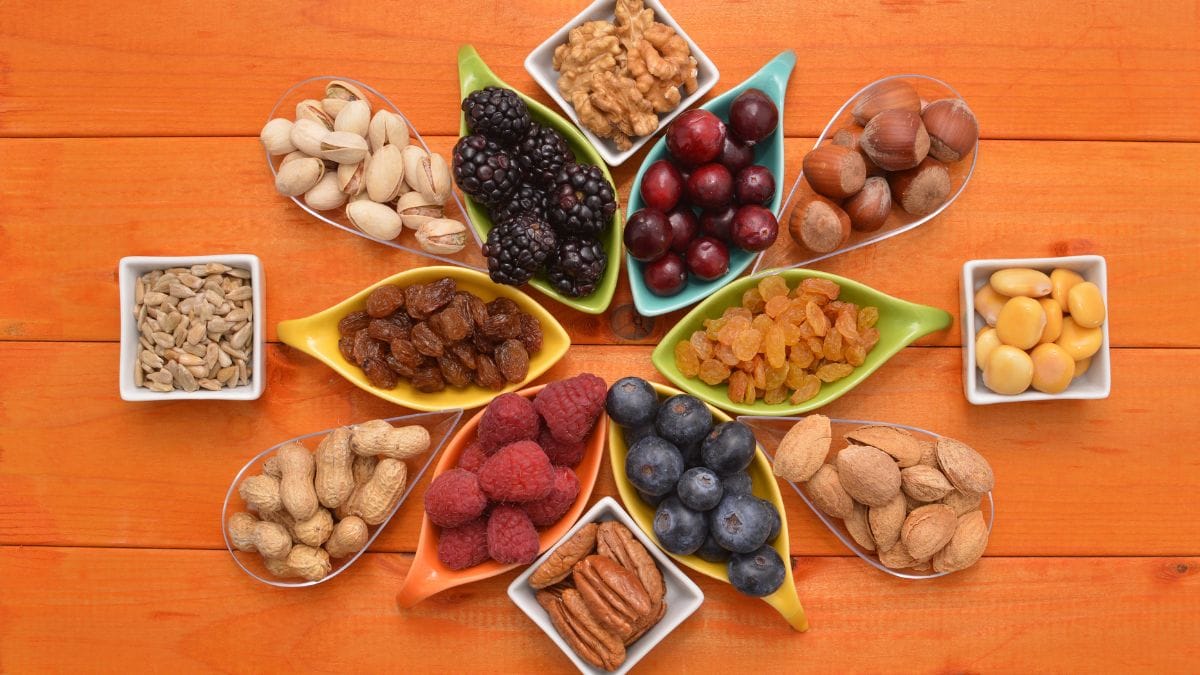
Blueberries, strawberries, raspberries, and blackberries are packed with anthocyanins, flavonoids, and other antioxidants that protect your cells from oxidative stress. These compounds may help prevent DNA damage that can lead to cancer development.
Canadian berries are particularly nutritious when eaten fresh during growing season, but frozen berries retain most of their beneficial compounds and can be enjoyed year-round. Add berries to your morning oatmeal, blend them into smoothies, or enjoy them as a healthy snack.
Green tea and its anti-cancer properties
Green tea contains catechins, particularly epigallocatechin gallate (EGCG), which laboratory studies suggest may help prevent cancer cell growth. Population studies from countries with high green tea consumption show associations with lower rates of certain cancers.
However, it's important to note that if you're undergoing cancer treatment, you should consult your healthcare team about green tea consumption, as it may interact with some medications.
Additional beneficial foods
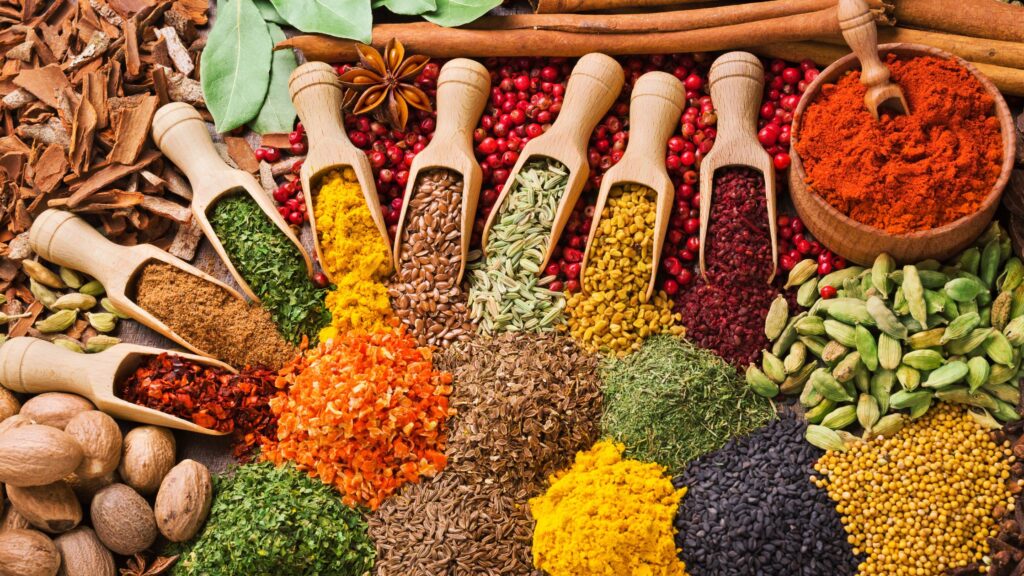
Turmeric contains curcumin, a compound with anti-inflammatory properties. While research is ongoing, some studies suggest it may help prevent certain types of cancer when consumed as part of a balanced diet.
Flaxseeds provide lignans and omega-3 fatty acids. Ground flaxseed is more easily absorbed than whole seeds. Add it to smoothies, yogurt, or baked goods.
Garlic and onions contain sulfur compounds that may support immune function and have anti-inflammatory effects. These vegetables are staples in many healthy cuisines worldwide.
Legumes such as lentils, chickpeas, and beans provide fiber, protein, and various phytochemicals. They're excellent plant-based protein sources that can help you reduce reliance on red meat.
The power of fiber
Foods high in fiber are essential for nutrition and cancer prevention, especially when it comes to colorectal cancer. Fiber supports healthy digestion, nourishes beneficial gut bacteria, and may help eliminate potential carcinogens from the digestive system.
Health Canada recommends that adult women consume 25 grams of fiber daily, while adult men should aim for 38 grams. Good sources include whole grains, vegetables, fruits, and legumes.
Foods to limit or avoid
Red and processed meats
Based on evidence from the International Agency for Research on Cancer, processed meats like bacon, ham, sausages, and deli meats are classified as Group 1 carcinogens. Red meats including beef, pork, and lamb are classified as Group 2A (probably carcinogenic).
The Canadian Cancer Society recommends limiting red meat to no more than three servings per week and avoiding processed meats as much as possible. When you do eat red meat, choose lean cuts and use gentle cooking methods rather than high-temperature grilling or charring.
Alcohol and cancer risk
Alcohol consumption is linked to increased risk of several cancers, including breast, liver, colorectal, and cancers of the mouth, throat, and esophagus. Canadian guidelines recommend limiting alcohol consumption to reduce cancer risk.
If you choose to drink alcohol, follow Canada's Low-Risk Alcohol Drinking Guidelines: no more than 10 drinks per week for women and 15 drinks per week for men, with at least two alcohol-free days each week.
Limiting sugary and high-calorie foods
Foods high in added sugars and unhealthy fats contribute to weight gain and obesity, which increases cancer risk. The Canadian Partnership Against Cancer emphasizes the importance of maintaining a healthy weight for cancer prevention.
Focus on limiting sugar-sweetened beverages, candy, pastries, and other highly processed sweets. Instead, satisfy your sweet tooth with fresh fruits or small portions of dark chocolate.
Salt and preserved foods
High sodium intake, particularly from processed and preserved foods, is associated with increased stomach cancer risk. Health Canada recommends limiting sodium to 2,300 mg per day for adults.
Read food labels carefully and choose fresh foods over processed alternatives when possible. Use herbs and spices to flavor your food instead of relying on salt.
The role of a balanced diet
Importance of plant-based foods
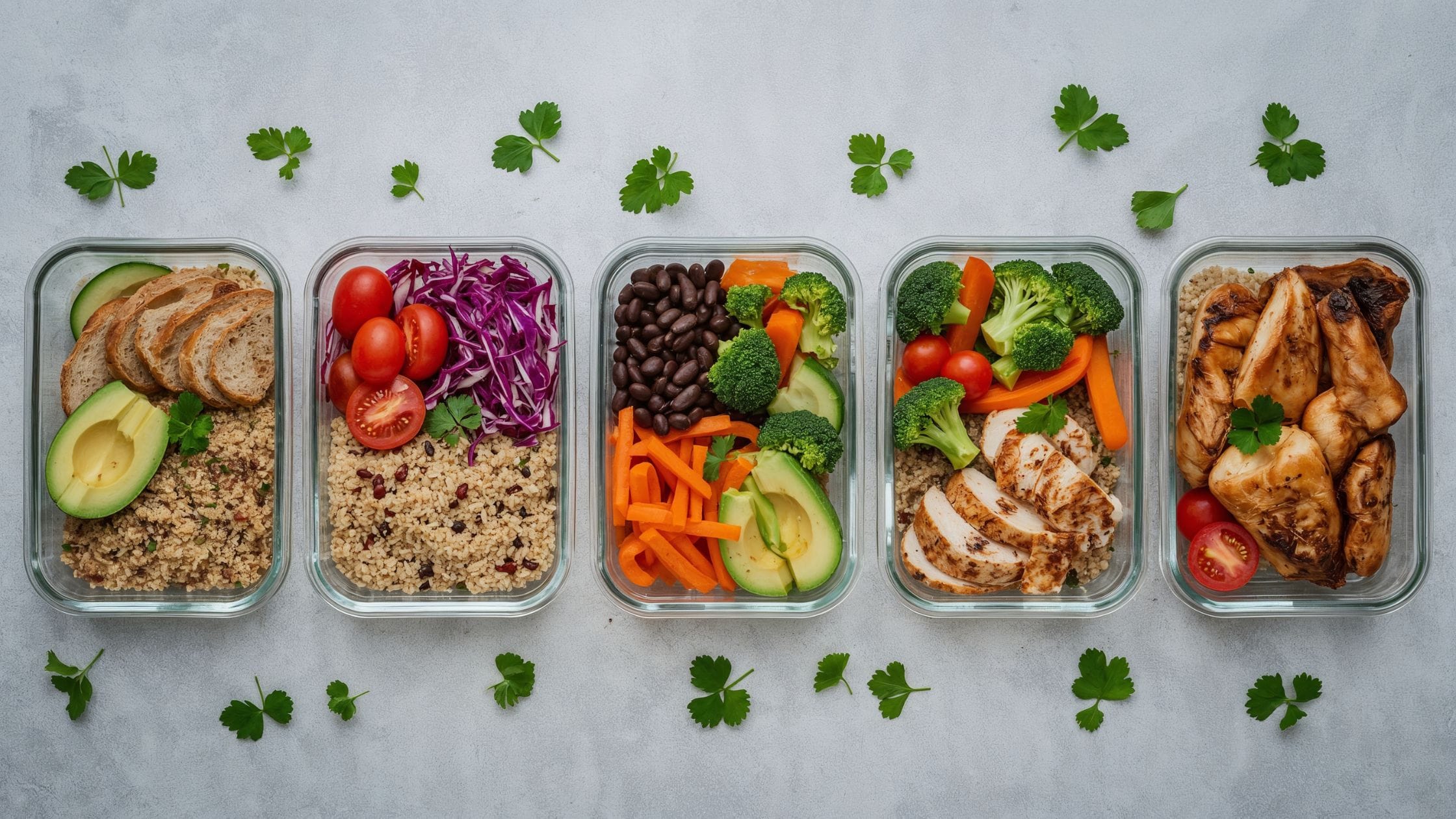
Following Health Canada's Food Guide recommendations means filling half your plate with vegetables and fruits at each meal. Plant foods provide essential vitamins, minerals, fiber, and phytonutrients that work together to support your body's natural defense systems.
You don't need to become vegetarian to benefit from plant-based eating. Simply increasing the proportion of plant foods in your diet while reducing animal products can make a significant difference.
Managing weight for cancer prevention
Maintaining a healthy weight is one of the most important things you can do for cancer prevention. Being overweight or obese increases risk for at least 13 types of cancer, including breast, colorectal, kidney, and pancreatic cancers.
Focus on sustainable lifestyle changes rather than restrictive diets. Combine healthy eating with regular physical activity as recommended by the Canadian Physical Activity Guidelines.
Balancing your plate: Practical tips
Use Canada's Food Guide plate model as your template:
- Fill half your plate with vegetables and fruits
- Make one quarter whole grain foods
- Make one quarter protein foods, choosing plant-based proteins more often
- Choose healthy fats like olive oil, nuts, and avocado
- Make water your drink of choice
Your path forward: Making sustainable changes
Cancer prevention through nutrition isn't about perfection or deprivation. It's about making consistent, informed choices that support your long-term health. Start with small, manageable changes and gradually build healthier habits over time.
Consider working with a registered dietitian from Dietitians of Canada who can help you create a personalized eating plan that fits your lifestyle, preferences, and cultural background. They can provide evidence-based guidance tailored to your individual needs.
The Canadian Cancer Society, Health Canada, and the Canadian Partnership Against Cancer all emphasize that the most effective approach combines healthy eating with other lifestyle factors like regular physical activity, maintaining a healthy weight, limiting alcohol, and avoiding tobacco.
Remember that every positive change you make matters. Whether it's adding an extra serving of vegetables to your dinner, choosing whole grain bread instead of white, or reducing your consumption of processed meats, these choices accumulate over time to create meaningful health benefits. Don't get discouraged by setbacks – every day offers a new chance for healthier choices. The exciting part is, these choices, especially regarding nutrition and cancer prevention, eventually become effortless habits. They'll feel less like sacrifices and more like enjoyable, beneficial parts of your daily life.
Making small, manageable changes to your routine is often more sustainable. Gradual progress towards a healthy lifestyle is better than trying to change everything at once. This approach makes it easier to stick to your goals and allows your body and mind to adapt, strengthening your efforts in nutrition and cancer prevention.
Take action today for tomorrow's health
The evidence is clear: your daily food choices play a significant role in cancer prevention. By following the recommendations outlined in this guide and staying informed about the latest research from Canadian health authorities, you're taking important steps to protect your health.
Start with one or two changes this week. Perhaps try a new vegetable, swap white rice for brown, or experiment with a plant-based protein like lentils. Small, consistent steps lead to lasting change.
Want practical ways to make your plate more cancer-prevention friendly? Check out our weekly menus and healthy recipe ideas.
Other articles you may be interested in!
Mindful shopping tips for a healthier lifestyle
Healthy fats: Fuel your brain, not your belly
Vitality Routines at home : Energize your day
Frequently Asked Questions
What specific foods should I include daily?
Focus on including a variety of colorful vegetables and fruits, whole grains like oats and brown rice, and plant-based proteins such as beans and lentils. Aim for at least 5-10 servings of vegetables and fruits daily, as recommended by Health Canada.
How much red meat can I safely eat?
The Canadian Cancer Society suggests limiting red meat to no more than three servings per week. A serving is about 3 ounces (85 grams), roughly the size of a deck of cards.
Do I need supplements for cancer prevention?
Most Canadians can get the nutrients they need from a balanced diet. Some supplements, like beta-carotene for smokers, may actually increase cancer risk. Consult with a registered dietitian or healthcare provider before taking any supplements specifically for cancer prevention.
How does obesity increase cancer risk?
Excess body weight can lead to chronic inflammation, changes in hormone levels, and insulin resistance. These factors create an environment that may promote cancer development. The Canadian Partnership Against Cancer identifies maintaining a healthy weight as a key cancer prevention strategy.
Are processed foods really that harmful?
Highly processed foods often contain added sugars, unhealthy fats, and preservatives while lacking beneficial nutrients and fiber. They're also typically higher in calories, contributing to weight gain. Focus on minimally processed whole foods most of the time.
Can diet overcome genetic risk factors?
While you can't change your family history, healthy lifestyle choices including good nutrition can significantly influence your cancer risk even if you have genetic predispositions. Many cancers result from a combination of genetic and environmental factors.
How should I balance my diet if I have cultural food traditions?
Cultural foods can absolutely be part of a cancer-preventive diet. Focus on traditional preparation methods that emphasize vegetables, whole grains, and lean proteins. Many traditional cuisines around the world are naturally rich in cancer-fighting foods.