Eating healthy doesn't have to be complicated. Despite the endless stream of conflicting nutrition advice and fad diets flooding social media, the foundation of good nutrition remains surprisingly straightforward. Research indicates that adults who eat a balanced diet live, on average, 10 years longer than those who don't—a compelling reason to cut through the confusion and focus on what truly matters.
Whether you're a busy parent juggling work and family responsibilities, or someone finally ready to prioritize your health, this nutritional food guide will help you build sustainable eating habits that fit your lifestyle. We'll address common misconceptions, provide practical strategies for time-strapped schedules, and show you how healthy eating can be both affordable and enjoyable.
The truth is, you don't need expensive superfoods or restrictive meal plans to nourish your body effectively. Small, consistent changes in how you approach food can lead to significant improvements in your energy, mood, and overall well-being. With that in mind, here's a practical food guide with a few simple tips to help you continue your journey towards a healthier and happier you.
Table of Contents
The power of variety in your balanced diet
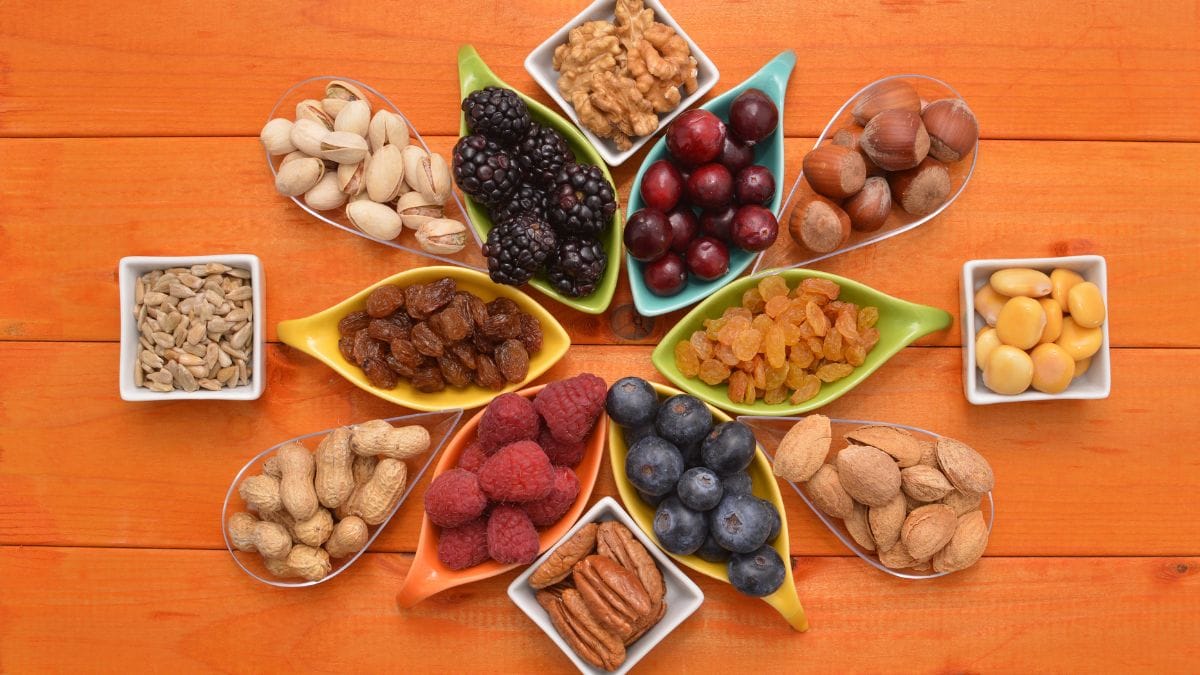
Building a healthy eating foundation starts with embracing variety. Your body needs more than 40 different nutrients to function optimally, and no single food can provide them all. This is why Canada's food guide emphasizes eating a variety of healthy foods each day.
Think of variety as your insurance policy against nutritional gaps. When you rotate through different foods, you naturally obtain a broader spectrum of vitamins, minerals, and antioxidants. This approach also prevents boredom—one of the main reasons people abandon their healthy eating efforts.
Studies show that a diet rich in fruits and vegetables can reduce the risk of heart disease, stroke, and certain cancers by up to 30%. The key is incorporating different colors, textures, and flavors throughout your week. Red bell peppers offer different nutrients than green ones, and quinoa provides different benefits than brown rice.
Focus on vegetables and fruits
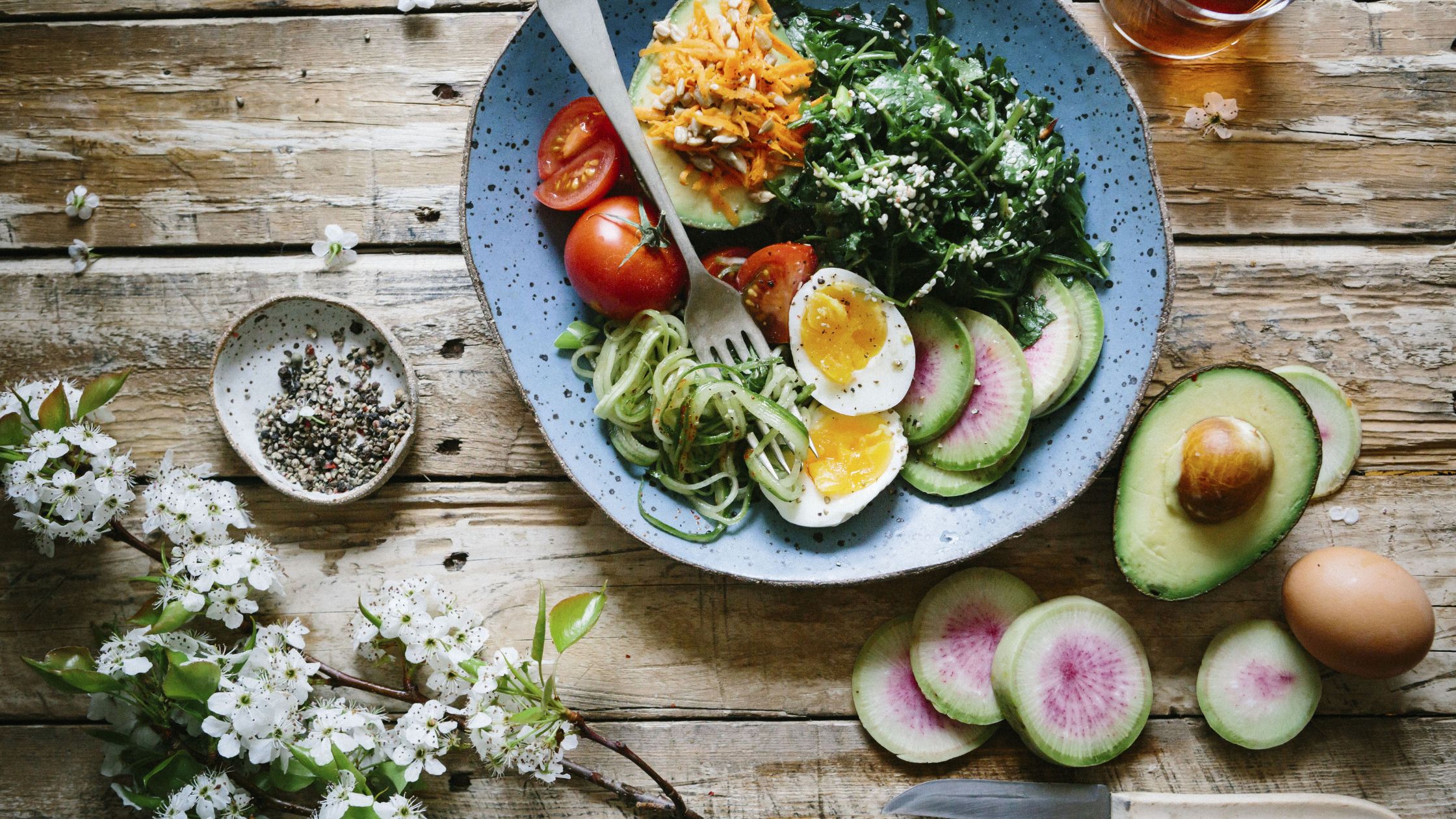
Half your plate should consist of vegetables and fruits—this simple visual food guide makes meal planning much easier. These nutrient-dense foods provide essential vitamins, minerals, fiber, and antioxidants while being naturally low in calories.
Fresh, frozen, and canned options all count toward your daily intake. Frozen vegetables are often more affordable and have a longer shelf life, making them perfect for busy schedules. Canned varieties work too, but choose options with no added salt or sugar when possible.
Don't get caught up in expensive "superfood" marketing. An apple provides valuable fiber and vitamin C, while leafy greens like spinach offer iron and folate. Local, seasonal produce is often the most affordable and flavorful option.
For families with children or elderly members, making vegetables appealing can require creativity. Try roasting vegetables with a drizzle of olive oil to enhance their natural sweetness, or blend them into smoothies and soups.
Choosing whole grains
Whole grains should occupy about one-quarter of your plate. Unlike refined grains, whole grains retain their fiber, B vitamins, and minerals because they haven't been stripped during processing.
Common whole grain options include brown rice, quinoa, whole wheat pasta, oats, and barley. These foods provide sustained energy and help you feel fuller longer, which can prevent overeating.
Reading food labels becomes crucial here. Look for products where the first ingredient is a whole grain, such as "whole wheat flour" rather than just "wheat flour." The term "multigrain" doesn't necessarily mean whole grain—it simply indicates multiple types of grains were used.
If your family is resistant to whole grains, try gradual transitions. Mix brown rice with white rice, or use whole wheat pasta in dishes with robust sauces where the texture difference is less noticeable.
Including protein foods
Protein foods should fill the remaining quarter of your plate. This includes lean meats, poultry, fish, eggs, dairy products, beans, lentils, nuts, and seeds. Protein supports muscle maintenance, immune function, and helps you feel satisfied after meals.
Vary your protein sources throughout the week. Fish provides omega-3 fatty acids, beans offer fiber along with protein, and eggs are one of the most complete protein sources available.
For budget-conscious families, beans and lentils are excellent protein sources that cost significantly less than meat. They're also shelf-stable and versatile—perfect for soups, salads, and main dishes.
Plant-based proteins don't need to be complicated. A peanut butter sandwich on whole grain bread, or hummus with vegetables, provides quality protein along with other nutrients.
Hydration: Make water your drink
Water should be your primary beverage choice. It supports every function in your body, helps regulate temperature, and aids in nutrient transport. Many people mistake thirst for hunger, leading to unnecessary snacking.
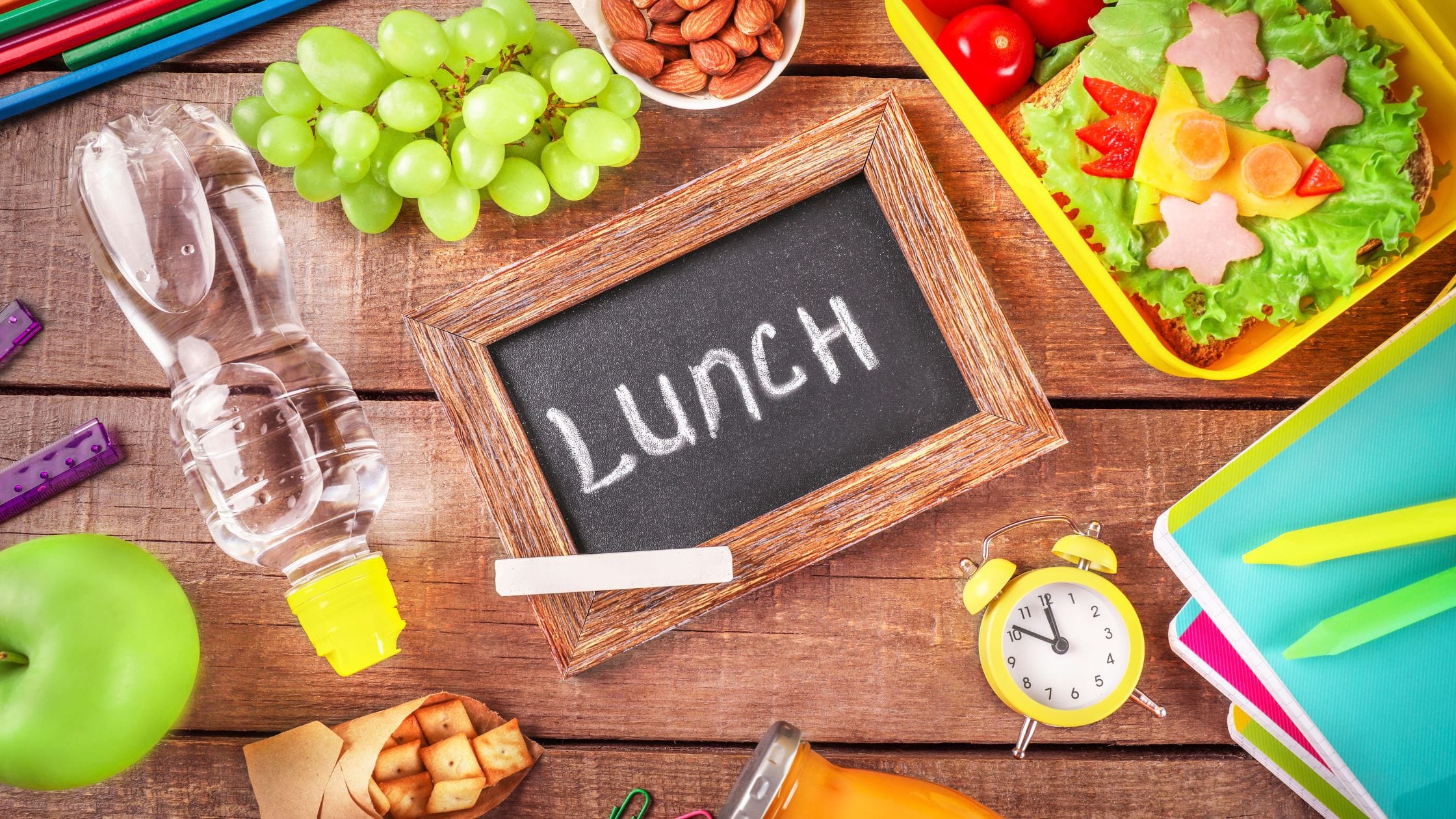
Keep a water bottle with you throughout the day, and aim to drink water before, during, and after meals. If plain water seems boring, try adding slices of lemon, cucumber, or mint for natural flavor.
Limit sugary drinks, including fruit juices, which can add significant calories without providing the fiber and other benefits of whole fruits. Even 100% fruit juice lacks the satiety that comes from eating whole fruit.
For children and elderly individuals, adequate hydration is especially important. Children may not recognize thirst cues, while older adults may have diminished thirst sensations.
Mindful eating
Research suggests that mindful eating can lead to a 20% decrease in overeating and improve overall digestion. This practice involves paying attention to your food, eating slowly, and recognizing hunger and fullness cues.
Start by eliminating distractions during meals. Put away phones and turn off the television. Focus on the flavors, textures, and aromas of your food. This enhanced awareness helps you enjoy your meals more and naturally regulate portion sizes.
Eating slowly gives your brain time to register fullness signals, which typically take 15-20 minutes to reach your consciousness. This simple change can prevent overeating without requiring strict portion control.
Mindful eating also means being aware of why you're eating. Are you actually hungry, or are you eating due to stress, boredom, or habit? Recognizing emotional eating patterns is the first step toward developing a healthier relationship with food.
Cooking more often
Start small if cooking feels overwhelming. Focus on simple meals with minimal ingredients—scrambled eggs with vegetables, a basic stir-fry, or soup made from whatever vegetables you have on hand.
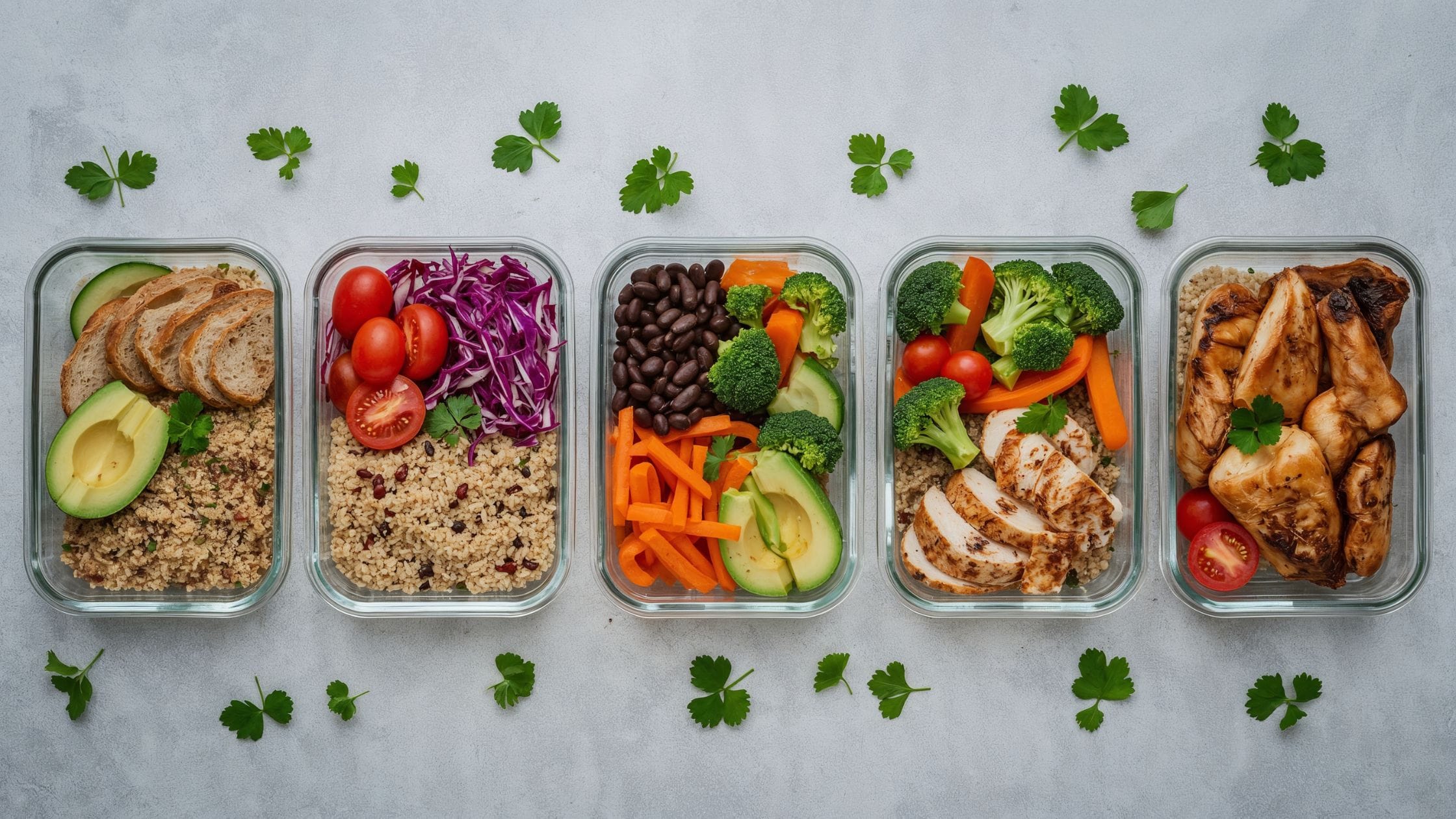
Meal planning and prep can save significant time during busy weekdays. Spend an hour on weekends washing and chopping vegetables, cooking grains in bulk, or preparing simple proteins that can be used throughout the week.
Involve family members in cooking when possible. Children who help prepare meals are more likely to try new foods, and cooking together creates positive associations with healthy eating.
Enjoying your food
Food should be one of life's pleasures, not a source of guilt or stress. When you completely restrict foods you love, you're more likely to overeat them later. Instead, practice moderation and balance.
Build treats into your routine rather than viewing them as forbidden indulgences. A small piece of dark chocolate after dinner or a slice of birthday cake at celebrations can be part of a healthy eating pattern.
Focus on foods that both nourish your body and satisfy your taste preferences. If you genuinely dislike quinoa, choose brown rice instead. The "healthiest" food is one you'll actually eat consistently.
Experiment with herbs, spices, and healthy cooking methods to make nutritious foods more appealing. Roasted vegetables often taste completely different from boiled ones, and a sprinkle of fresh herbs can transform a simple dish.
Eating meals with others
Research suggests that people who regularly eat meals with others consume 18% more fruits and vegetables. Shared meals create social connections and often lead to more varied, balanced food choices.
Family dinners don't need to be elaborate affairs. Even simple meals eaten together provide opportunities for conversation and modeling healthy eating behaviors for children.
If you live alone, consider organizing potluck dinners with friends, joining community meals, or even eating lunch with colleagues instead of at your desk. The social aspect of eating contributes to both nutritional and emotional well-being.
For elderly individuals, shared meals can combat isolation while encouraging better nutrition. Community centers often offer group dining programs that combine social interaction with balanced meals.
Your path to better health starts now
Healthy eating isn't about perfection, it's about progress. Small, consistent changes accumulate over time to create lasting improvements in your health and energy levels. Start with one or two changes that feel manageable, then gradually build on your success.
Remember that everyone's nutritional needs are different. What works for your neighbor might not work for you, and that's perfectly normal. Focus on finding an approach that fits your lifestyle, preferences, and health goals.
The journey toward better nutrition is exactly that—a journey. There will be days when you make choices you'd rather not repeat, and that's part of being human. What matters is getting back on track with the next meal or the next day.
Ready to bring these principles to life? Dive into the 4 Vitalicious weekly menus, packed with deliciously balanced recipes, fresh seasonal ingredients and simple, stress-free cooking ideas to keep you inspired!
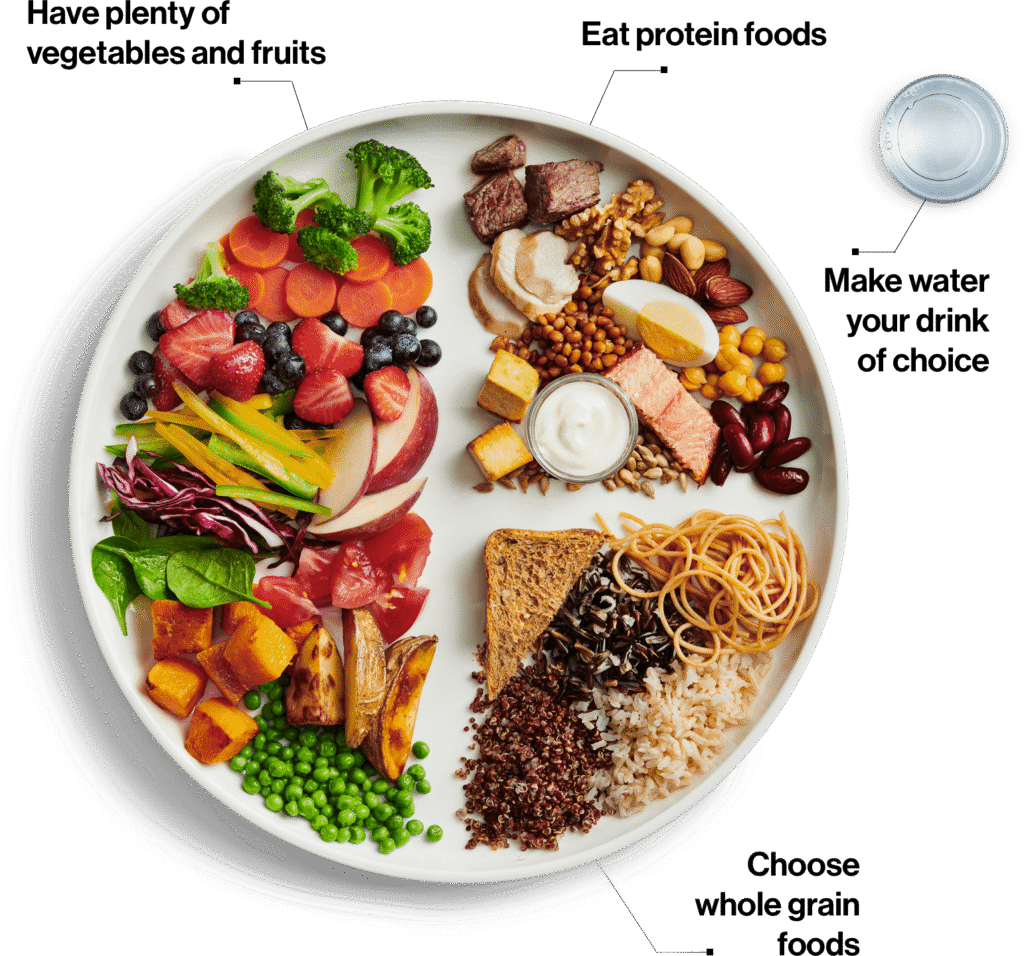
Source : Canada's food guide
Other articles you may be interested in!
Mindful shopping tips for a healthier lifestyle
Healthy fats: Fuel your brain, not your belly
Nutrition and cancer prevention
Frequently Asked Questions
What is a balanced plate?
A balanced plate is a meal that provides a healthy mix of all the essential food groups. A great food guide to follow is to fill half your plate with fruits and vegetables, a quarter with lean protein, and a quarter with whole grains. It's also important to include a source of healthy fats.
How can I make a balanced plate for kids?
When it comes to kids, think smaller portions but the same balanced mix of veggies, fruits, grains, and proteins. A great way to get them excited about healthy eating is to make their plates colorful and fun. You can also get them involved in choosing ingredients or helping with meal prep. This food guide approach makes balanced meals an enjoyable activity rather than a chore.
Can a balanced meal include snacks?
Yes! Snacks can absolutely be part of a balanced diet when you choose nutrient-rich options. Follow this food guide to make smart choices like yogurt with fresh fruit, nut butter with whole-grain crackers, or veggie sticks with hummus. These snacks help maintain energy levels and keep hunger in check between meals.
How do I create a balanced meal if I have dietary restrictions?
Navigating dietary restrictions like gluten-free, dairy-free, or vegetarianism doesn't mean you have to miss out on a balanced meal. By using a food guide and making smart swaps, you can easily meet your nutritional needs. For instance, you can replace wheat with quinoa or gluten-free oats, and choose plant-based proteins like legumes or tofu. Finding nutrient-dense alternatives that fit your lifestyle is key.
What are some tips for creating a balanced vegan or vegetarian meal?
To create a balanced vegan or vegetarian meal, it's helpful to follow a simple food guide. Make sure to include a variety of food groups in every meal. Start with a plant-based protein like beans, lentils, tofu, or chickpeas. Next, add whole grains such as quinoa or brown rice for sustained energy. Don't forget to load up on colorful vegetables for essential vitamins and minerals. Finally, incorporate healthy fats from sources like avocados, nuts, and olive oil. For certain nutrients like B12, iron, and calcium, you might want to consider fortified foods. Using this food guide will help ensure you're getting a complete and nourishing diet.
How can I ensure I’m getting enough protein on a plant-based diet?
Plant-based protein is abundant in foods like legumes, soy, whole grains, nuts, and seeds. This food guide highlights that combining these sources ensures adequate protein intake. For those needing an extra boost, plant-based protein powders can also be a helpful supplement.
How can I ensure I'm meeting all my nutritional needs on a plant-based diet?
A balanced plant-based diet requires a little planning. To ensure you're getting all the essential vitamins and minerals, a good food guide is to focus on a variety of whole foods like fruits, vegetables, whole grains, legumes, nuts, and seeds. You might also want to incorporate fortified foods or supplements to get enough vitamin B12, vitamin D, and omega-3 fatty acids, which can be harder to find in a plant-based diet.
What are some easy ways to increase protein in my meals?
Boosting your protein intake is simple with this food guide! Add protein-dense foods like lentils, chickpeas, and black beans to soups, salads, and stir-fries. Make tofu, tempeh, or seitan the star of your meals. Sprinkle nuts or seeds on everything, and enjoy nut butters or hummus as dips. For an extra boost, mix plant-based protein powders into smoothies or recipes.
Are plant-based diets suitable for high-performance athletes?
Yes, high-performance athletes can thrive on a plant-based diet with proper planning. Following a food guide ensures you get enough calories, a balance of macronutrients, and key micronutrients to meet the demands of intense physical activity. Many plant-based athletes use meal prepping and tracking to stay on target with their nutritional goals.