In a world where you can buy, replace, or hire someone for almost anything, the art of resourcefulness might seem like a relic from a bygone era. Why fix it when you can get a new one tomorrow? Why cook when you can order in? Resourcefulness is the ability to find quick, clever ways to overcome difficulties using what you have available. It’s about looking at a problem—a loose button, a nearly empty fridge, a wobbly chair—and thinking, "I can handle this."
This simple shift in mindset is incredibly empowering. It boosts your confidence, gives you a sense of freedom, and fosters true independence. For adults and children alike, mastering basic life skills moves you from being a passive consumer to an active creator in your own life. Teaching our children the value of resourcefulness is one of the greatest gifts we can give them, equipping them with the confidence to navigate life’s challenges with creativity and resilience.
1- Why resourcefulness matters
Embracing resourcefulness brings a surprising number of benefits that ripple through your finances, family life, and even your mental well-being.
1. Independence and freedom
There is immense satisfaction in being self-reliant. Knowing you can handle small, everyday challenges without needing to call for help is liberating.
- Examples: Hemming a pair of pants that are too long, cooking a simple, nourishing meal from scratch, or fixing a squeaky drawer that’s been bothering you for weeks.
2. Saving money
A little DIY skills knowledge goes a long way. Many issues that prompt calls to expensive services or lead to unnecessary purchases can be solved with a bit of know-how.
- Examples: A small tear in a favorite shirt doesn't mean it's trash. Fixing a running toilet can save a significant amount on your water bill. A quick clean-out of your fridge can inspire a meal that saves you from ordering takeout.
3. Teaching kids valuable lessons
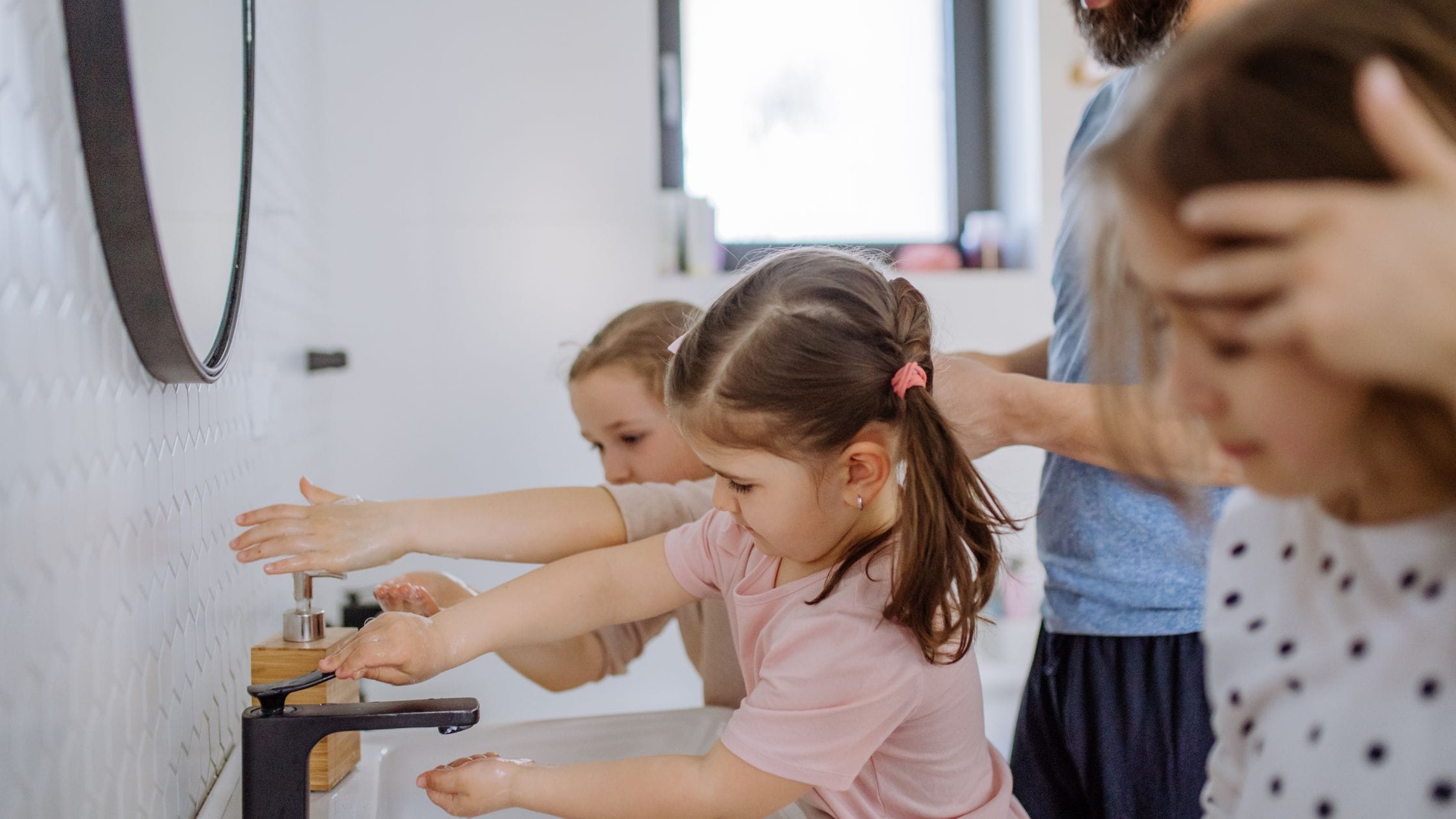
When children watch you solve problems, they learn more than just the task at hand. They absorb invaluable life lessons.
- What kids learn:
- Patience: Trying to thread a needle or glue a broken piece back together takes focus.
- Logic: They see how to identify a problem and work through the steps to find a solution.
- Confidence: Completing a task, no matter how small, builds a sense of capability.
- Responsibility: They learn to care for their belongings and contribute to the household.
4. Boosting brain health
Working with your hands is a fantastic workout for your brain. Small manual tasks activate different parts of the brain than purely intellectual work.
- Benefits: These activities can improve fine motor skills, hand-eye coordination, memory, and concentration. The focused, meditative nature of tasks like sewing or repairing can also reduce stress.
5. Fueling creativity
Resourcefulness is creativity in action. It’s about looking at your available resources and imagining new possibilities.
- Examples: Transforming an old t-shirt into cleaning rags, using leftover vegetables for a hearty soup, or finding a clever way to hang a picture without the right hardware.
2- Basic skills everyone should master
Ready to build your resourcefulness toolkit? Here are some essential skills that will empower you in your daily life.
🪡 Basic Sewing
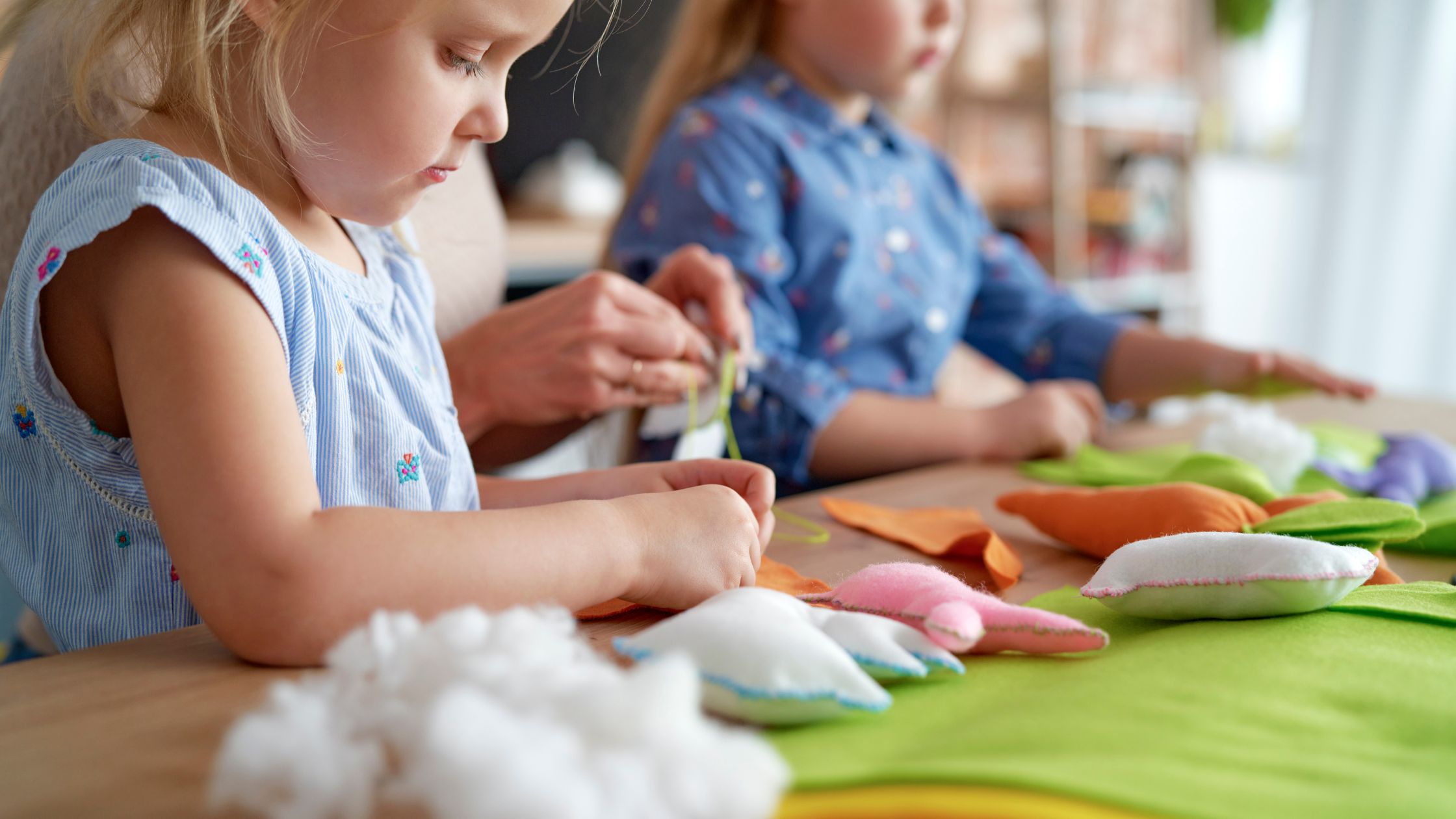
Knowing a few simple stitches can save your favorite clothes from the donation pile.
- Sewing a button: A fundamental skill that takes five minutes to learn.
- Hemming pants: Adjust the length of new pants or shorts with a simple straight stitch.
- Repairing small tears: A quick fix along a seam can make a garment look new again.
👕 Efficient Ironing
A wrinkle-free outfit can make you feel polished and put-together.
- Quick ironing: Learn the right order to iron a shirt (collar, cuffs, sleeves, front, back) to speed up the process.
- Folding matters: Folding clothes neatly right out of the dryer can reduce the need for ironing altogether.
- Using a steamer: A handheld steamer is a fantastic tool for quickly removing wrinkles from delicate fabrics or items that are hard to iron.
🧼 Smart Cleaning
Effective cleaning isn't about scrubbing for hours; it’s about using the right techniques.
- Stain removal: Learn the basics for common stains like coffee, ink, or grass. (Hint: Cold water is often your best friend!)
- Streak-free glass: A simple solution of vinegar and water with a microfiber cloth works wonders.
- Quick tidying: The "one-minute rule"—if a task takes less than a minute, do it immediately.
- Appliance maintenance: Regularly cleaning your dishwasher filter or wiping down your washing machine gasket prevents bigger problems.
🔧 Everyday Repairs
You don't need to be a professional contractor to handle these common household fixes.
- Tightening screws: Keep a multi-bit screwdriver handy for wobbly chair legs, loose cabinet handles, and more.
- Gluing broken objects: A good all-purpose or wood glue can repair broken ceramics, picture frames, and toys.
- Fixing zippers: A pair of pliers can often realign a zipper that has come off its track.
- Changing lightbulbs: An essential safety and convenience skill.
- Oiling squeaky hinges: A drop of household oil or lubricant instantly silences an annoying door.
🍳 Survival Cooking
Basic cooking is about nourishing yourself with simple, wholesome food without needing a complicated recipe.
- The perfect omelette: A quick, protein-packed meal for any time of day. Just add cheese or leftover veggies.
- Quick pasta: Boil some pasta and toss it with olive oil, garlic, and any vegetables you have on hand.
- Simple soup: Sauté onions and carrots, add broth and throw in leftover vegetables, beans or cooked meat.
- Easy pancakes: A basic pancake recipe requires just a few pantry staples and can be made in minutes.
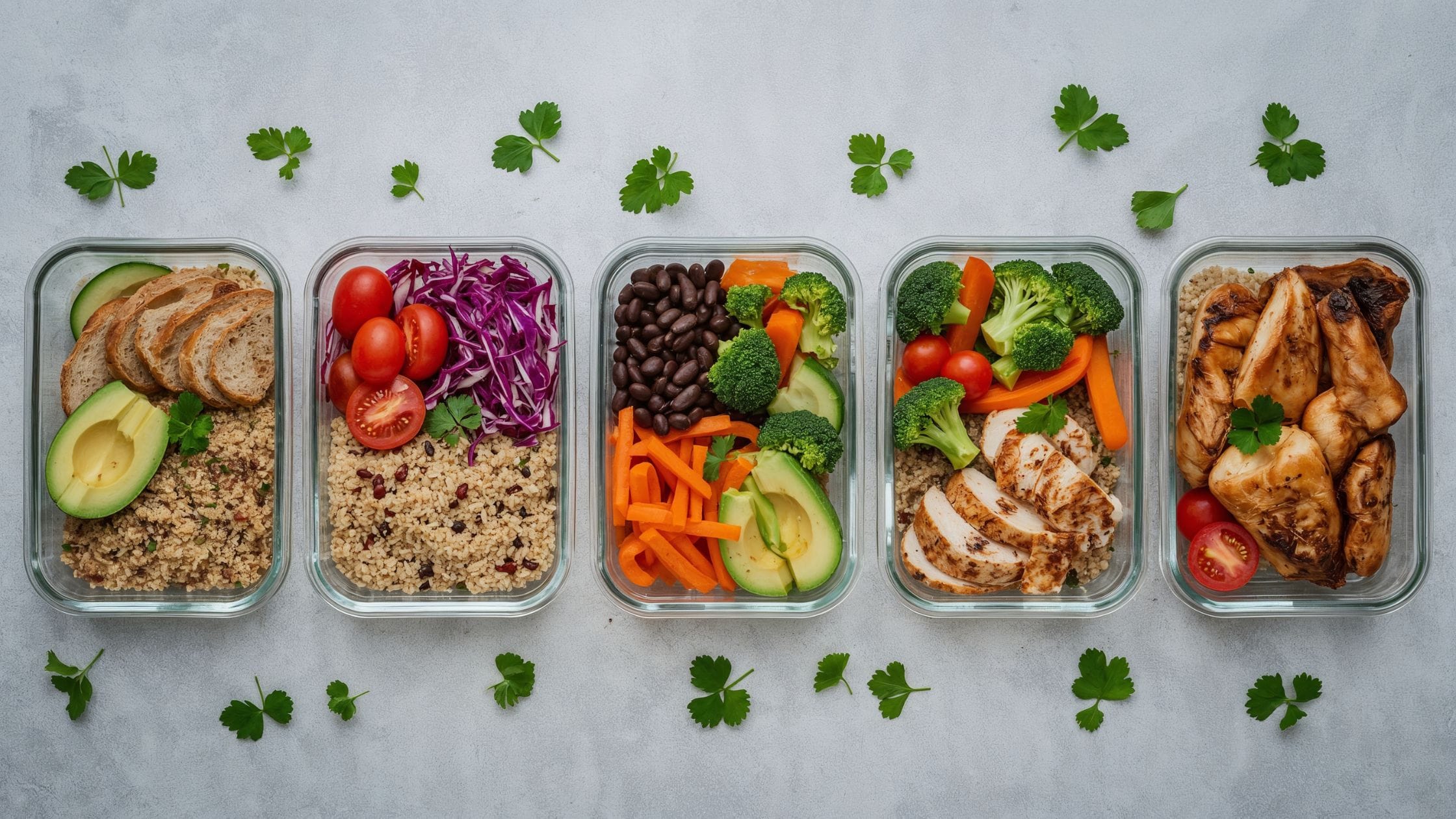
- The "Clean-Out" Bowl: Combine a base (rice, quinoa), a protein (canned beans, leftover chicken, a fried egg) and any vegetables from the fridge for a balanced and resourceful meal.
3- Stocking your kitchen for success
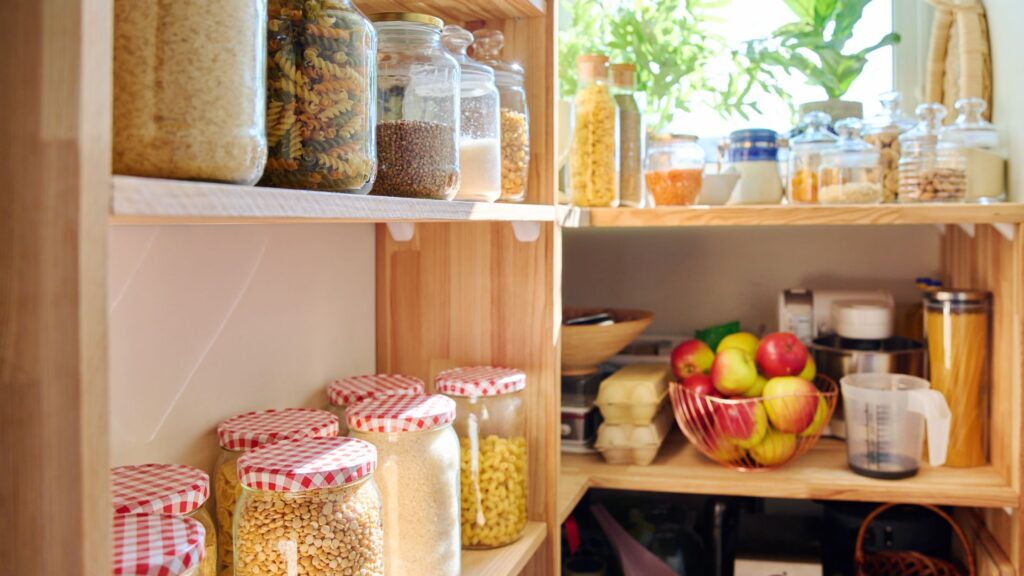
Resourceful cooking starts with a well-stocked pantry. Having these basics on hand means you can always whip up a simple meal without a last-minute trip to the store.
- Dry goods: Rice, pasta, oats, flour, sugar, lentils and beans.
- Canned & Jarred foods: Canned tomatoes, beans, tuna, coconut milk and vegetable or chicken broth.
- Pantry staples: Olive oil, vegetable oil, vinegar, soy sauce, honey, salt, pepper, garlic, onions and your favorite spices.
- Fresh produce: Keep a few long-lasting vegetables like carrots, potatoes and onions on hand.
- Frozen items: Frozen vegetables (peas, corn, spinach) and fruits (for smoothies) are just as nutritious as fresh and last for months.
Having these essentials empowers you to be creative and stress-free in the kitchen, turning "what's for dinner?" into a fun challenge rather than a daily burden.
Your invitation to be more resourceful
Resourcefulness is more than just a set of DIY skills; it’s a mindset of empowerment, creativity and resilience. It's about facing life's small hurdles with a confident "I've got this." By embracing these skills, you not only save money and reduce waste but also build a foundation of independence that is deeply fulfilling.
For parents, teaching these skills is a legacy. You are equipping your children with the tools they need to be confident, capable adults who can solve problems, care for their belongings, and contribute meaningfully to their world.
So start small. Pick one skill to learn this week. Fix that wobbly handle, sew that loose button or cook a meal using only what’s in your pantry. You’ll be surprised at how satisfying it feels.
Test your skills, have fun and learn something new! 🎯 Click here to play and start your adventure!
Other articles you may be interested in!
Your brain’s best friend: Lifelong language learning benefits
Legumes: The secret to heart health and satiety
Healthy fats: Fuel your brain, not your belly
Frequently Asked Questions
What is resourcefulness?
Why is being resourceful important?
Can resourcefulness be learned?
How can I teach resourcefulness to my kids?
What everyday skills are most useful for being resourceful?
* Basic sewing (buttons, hems, small repairs)
* Quick cooking (simple meals with available ingredients)
* Cleaning and organizing efficiently
* Small repairs around the house
* Using pantry staples to create meals