Have you ever noticed how some meals leave you feeling vibrant and ready to take on the world, while others make you want to curl up for a nap? It’s not just your imagination. The food on your plate has a powerful and direct impact on your energy levels and emotional well-being. For busy families, understanding this connection is the first step toward building a foundation of wellness that helps everyone thrive.
Making simple, mindful choices about what you eat can transform your days. It can mean more patience with the kids, more focus for your work, and more energy for the moments that matter. This isn't about restrictive diets or complicated rules; it's about embracing the power of nutrition to feel your best. Let's explore how your plate truly shapes your energy and mood.
Table of Contents
The Brain-Gut Connection: You are what you eat
The link between your stomach and your brain is one of the most exciting fields in wellness. Think of it as a constant conversation happening inside your body. The food you eat provides the building blocks for neurotransmitters—the chemical messengers that regulate your mood. For example, about 95% of your body's serotonin, the "feel-good" hormone, is produced in your gut.
When your diet is rich in whole foods like fruits, vegetables, and lean proteins, you’re feeding the beneficial bacteria in your gut. These tiny helpers work hard to produce the compounds that keep your mood stable and positive. On the other hand, a diet high in processed foods, sugar, and unhealthy fats can disrupt this delicate balance, sometimes leading to feelings of sluggishness, irritability, or anxiety. Nourishing your gut is one of the most direct ways to support your family's emotional wellness.
Fueling for focus: How food impacts energy
Imagine your body is a car. You wouldn’t fill a high-performance vehicle with low-grade fuel and expect it to run smoothly. The same principle applies to your body. The energy you get from food comes from carbohydrates, fats, and proteins. However, not all sources are created equal.
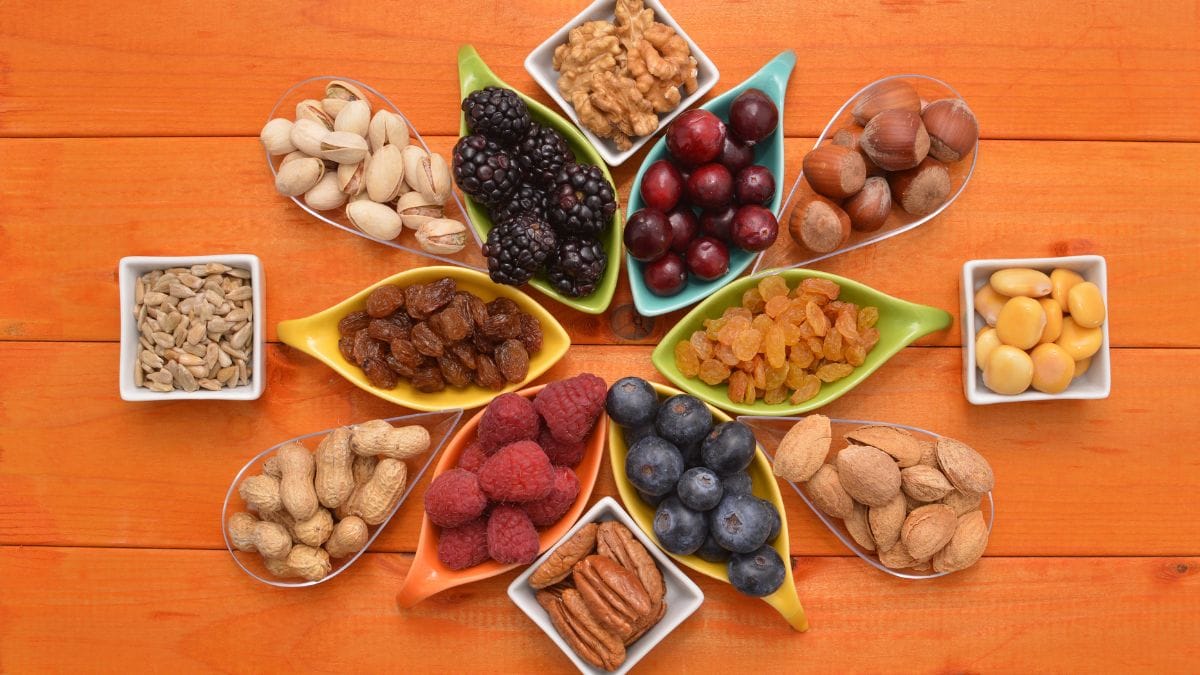
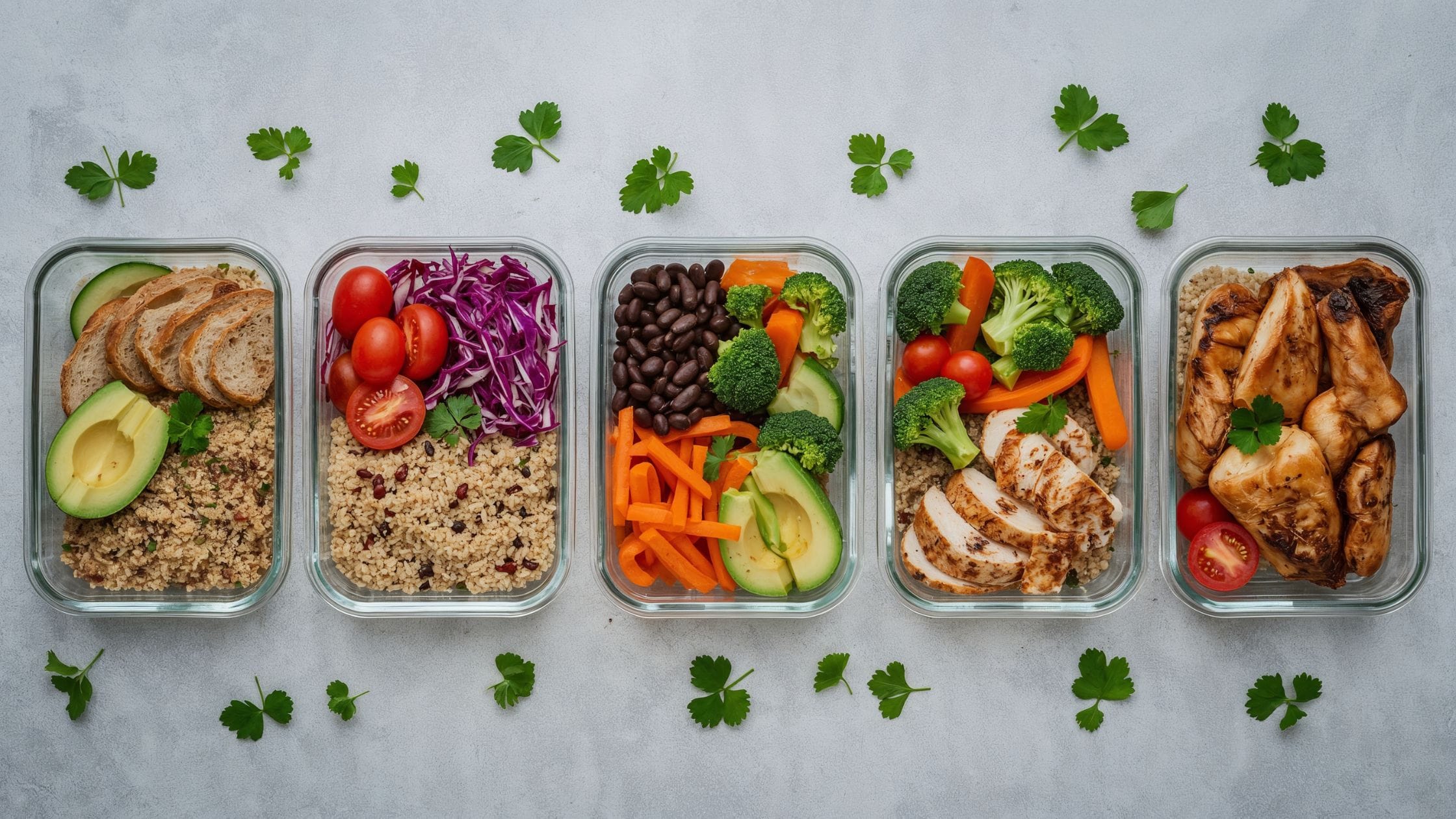
Complex carbohydrates, found in foods like whole grains, legumes, and starchy vegetables, provide a slow and steady release of energy. This prevents the dramatic spikes and crashes in blood sugar that often follow a sugary snack. These crashes are what cause that familiar mid-afternoon slump, leaving you feeling drained and unfocused. By building meals around a balanced mix of complex carbs, healthy fats (like avocado and nuts), and lean protein, you provide your body with sustained fuel for hours of consistent energy.
Mood-boosting nutrients your family needs
Certain nutrients play a starring role in maintaining a positive outlook and sharp mind. Incorporating them into your family's meals is a simple way to promote overall well-being.
- Omega-3 Fatty Acids: Found in fatty fish like salmon, as well as in flaxseeds and walnuts, these fats are essential for brain health and have been shown to help combat symptoms of depression.
- B Vitamins: This group of vitamins, especially B12 and folate, helps produce brain chemicals that affect mood. You can find them in leafy greens, eggs, and lean meat. A deficiency can sometimes be linked to feelings of irritability and fatigue.
- Magnesium: Known as the "calming mineral," magnesium helps regulate the body's stress-response system. It’s abundant in foods like spinach, almonds, and dark chocolate.
Making sure your family’s plates are colorful is a great way to ensure they are getting a wide range of these vital nutrients.
Hydration: The simple secret to a better mood
Sometimes the simplest solution is the most effective. Dehydration is a common and often overlooked cause of low energy, brain fog, and irritability. Even mild dehydration can impact your ability to concentrate and stay positive. Before you reach for another cup of coffee, try a large glass of water.
Encourage your kids to drink water throughout the day by making it fun. Try infusing a pitcher of water with slices of lemon, cucumber, or berries. Keeping a reusable water bottle handy for everyone in the family serves as a constant visual reminder to stay hydrated. Prioritizing water is a foundational habit for family wellness that costs nothing but offers immense benefits.
Your practical takeaway
Your one simple action this week is to add one mood boosting food to every family meal. It doesn't have to be complicated. Add a handful of spinach to your morning eggs, sprinkle flaxseeds on your child's yogurt, or serve a side of steamed broccoli with dinner. This small, consistent step reinforces the habit of thinking about nutrition and its benefits, creating a ripple effect that builds a healthier lifestyle over time.
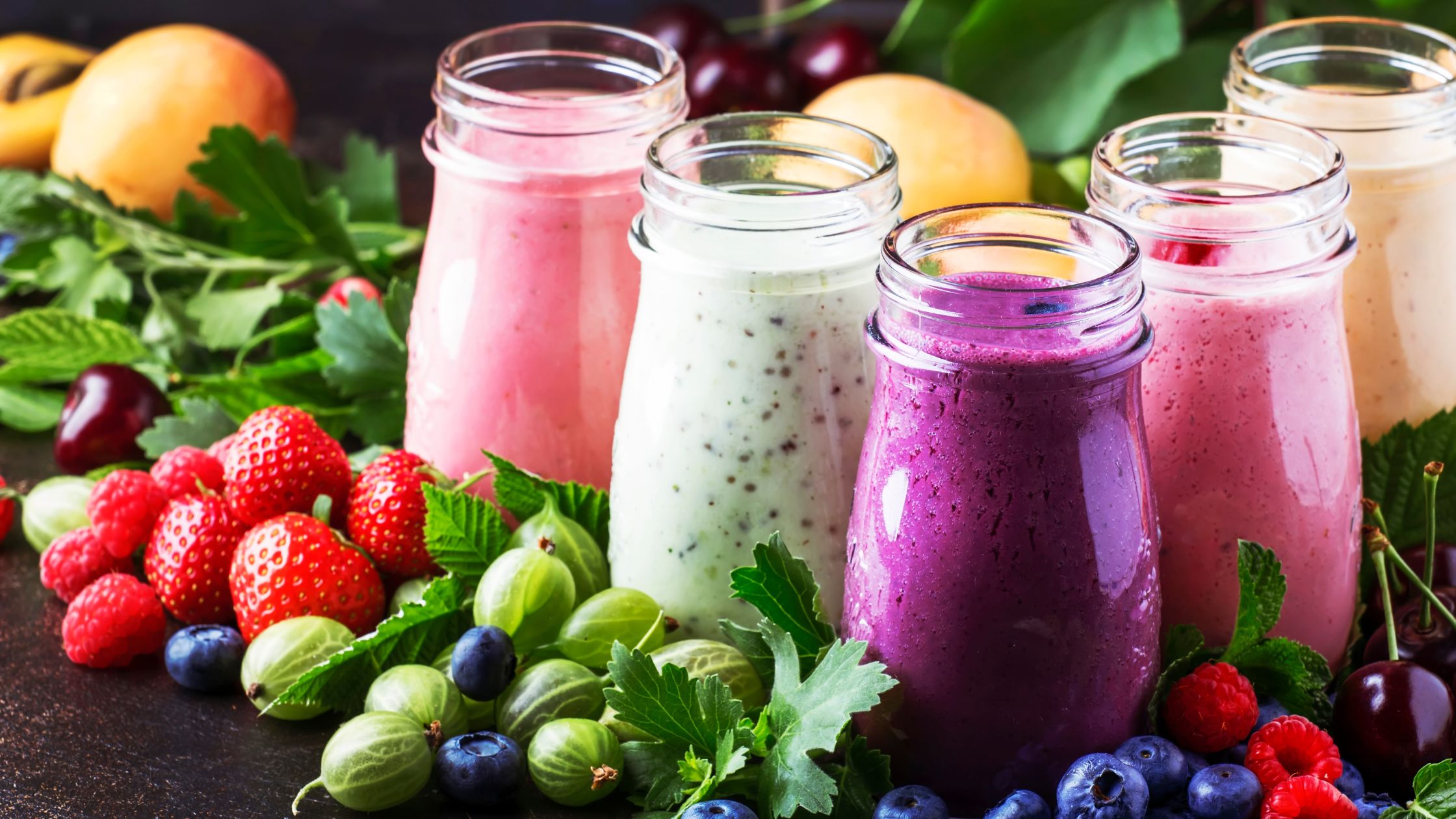
Ready to put this into practice? A vibrant, nutrient-packed smoothie is a perfect way to start the day with a smile.
👉 Discover the “Vita Turmeric Smoothie” recipe!

Other articles you may be interested in!
Nutrition and cancer prevention
Empowering healthy shopping choices : The smart food scanner guide
How screens affect eating habits and family health
Frequently Asked Questions
What mood-boosting nutrients should my family focus on?
Certain nutrients can help support mood and emotional well-being. Foods rich in omega-3 fatty acids, such as salmon and walnuts, are excellent for brain health. B vitamins, found in leafy greens and whole grains, play a vital role in energy and mood regulation. Additionally, magnesium and zinc, found in seeds, nuts, and legumes, can support overall mental balance. Incorporating these into your family's diet can boost mood naturally and effectively.
How important is hydration for overall well-being?
Hydration is essential for maintaining both physical and mental health. Staying properly hydrated supports cognitive function, improves mood, and helps regulate energy levels throughout the day. Encourage your family to drink plenty of water, aiming for at least 8 cups daily, and incorporate water-rich foods like cucumbers, melons, and oranges to stay energized and hydrated.
What role do B vitamins play in boosting mood?
B vitamins, particularly B6, B9 (folate), and B12, are crucial for brain health and the production of neurotransmitters like serotonin, which helps regulate mood. A deficiency in these vitamins can lead to feelings of fatigue and irritability. Include foods like leafy greens, eggs, whole grains, and fortified cereals in your family's diet to ensure adequate intake of B vitamins.
What are the benefits of omega-3 fatty acids and how can they be included in your diet?
Omega-3 fatty acids are essential fats that play a vital role in brain health, heart health, and reducing inflammation in the body. They are known to support cognitive function, lower the risk of heart disease, and improve overall mental well-being. Omega-3 fatty acids can be obtained through a diet rich in fatty fish such as salmon, mackerel, and sardines, as well as plant-based sources like flaxseeds, chia seeds, walnuts, and hemp seeds. For individuals who may not get enough omega-3s through food, supplements like fish oil or algae oil can also be considered.
How does magnesium impact mood and mental health?
Magnesium is known to support relaxation and calmness by regulating the nervous system and reducing stress hormones in the body. It also plays a role in the production of energy and the synthesis of brain chemicals associated with mood. Foods rich in magnesium, such as nuts, seeds, dark chocolate, and legumes, can help enhance mental well-being and reduce symptoms of stress and anxiety.
Why is turmeric good for your health?
Turmeric contains curcumin, a powerful antioxidant with anti-inflammatory properties. It may help reduce inflammation, improve brain function, and support overall well-being.
Can I customize the Good Mood Turmeric Smoothie recipe?
Absolutely! Feel free to adjust ingredients to suit your taste or dietary needs. You can add spinach for more greens, swap milk for plant-based alternatives, or sweeten it with natural honey.
Can I make the smoothie ahead of time?
Yes, you can prepare the smoothie in advance. Store it in an airtight container in the refrigerator and consume it within 24 hours for the best taste and nutritional value.